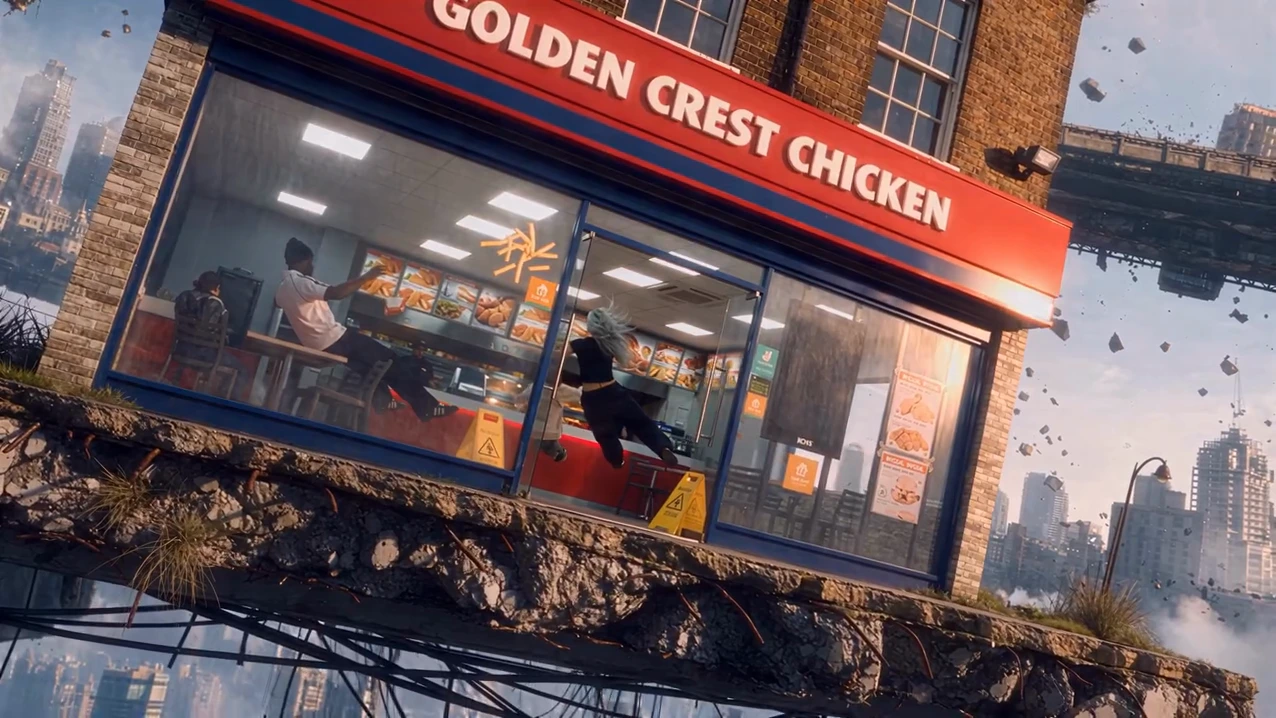
Good AI production starts with a clear idea and carries it through to something people can watch, feel and use. The tools expand the possibilities; creative direction gives those possibilities a purpose.
What is AI production?
AI production uses generative tools as part of the process of making images, films and campaign assets. A team can develop a scene from written direction and visual references, create alternative compositions, or introduce movement to an approved image. The output then needs selection, refinement and finishing before it becomes useful creative work.
A generated image is one ingredient. A campaign also needs a point of view, a recognisable product, a story that makes sense and assets that work together. That is why creative AI production includes familiar disciplines: concept development, art direction, design, editing, colour, sound and delivery.
For a brand or agency, the useful question is where AI can help the idea. An imagined environment may benefit from generation. A precise product demonstration may call for photography, live action or 3D. A hybrid approach can bring these elements together in a single frame.
1. Start with the brief, audience and deliverables.
Before making pictures, define what the work needs to do. Is this a launch film, a campaign image series, a product story or a set of social assets? Who will see it, where will it appear, and what should they understand or feel after seeing it?
A useful brief separates the creative ambition from the fixed requirements. It can leave room to explore atmosphere, locations and camera language while being specific about the product, approved messages and delivery formats. This helps the team evaluate an image against the brief instead of choosing it simply because it looks impressive.
- Purpose: the audience, central message and intended response.
- Brand: identity guidelines, approved references, tone and boundaries.
- Product: photographs, dimensions, materials and details that must remain accurate.
- Delivery: running times, aspect ratios, placements and required versions.
- Review: decision-makers, milestones and what each approval covers.
Planning formats early matters. A wide composition with a small subject may look beautiful on a website and lose its meaning in a vertical crop. Knowing both uses at the start gives the creative team room to compose for each.
2. Build a clear visual direction.
Art direction gives the production something consistent to aim at. References establish the palette, lighting, texture, styling, locations and mood. A treatment connects those choices to the story: why this environment, why this camera distance, and why this movement?
The goal is a visual language that can survive across multiple assets. A film needs its close-ups, wider scenes and transitions to feel connected. An image campaign needs variety without looking as though every picture belongs to a different brand.
A small set of selected frames is often more useful at this stage than a large folder of unrelated experiments. Review the direction together, identify what is essential, and agree what can still change. For moving image, a storyboard or rough sequence can reveal missing shots before production becomes more detailed.
Nightwolf’s creative capabilities connect direction, design, AI image and film production, 3D, compositing and finishing. The brief determines which of those disciplines belong in the work.
TRY THIS AT CONCEPT REVIEW
Write the visual rules before making more frames.
Choose five decisions that should survive across the campaign: a lighting character, a colour relationship, a camera distance, a material treatment and a rule for the background. Then compare each proposed frame with those decisions.
For an illustrative outdoor-product concept, the rules might be low morning light, muted surroundings, a clearly readable product, tactile surfaces and enough empty space for copy. If a beautiful image breaks three of those rules, it may belong in a different campaign.
Keep a separate list of intentional exceptions. A close detail can interrupt a sequence of wide scenes, but it should still belong to the same world through light, texture or colour.
3. Generate, select and refine the key images.
Image development turns the direction into frames. Written prompts describe the scene and visual intent; reference images can guide subject, composition or style where a tool supports them. Each output is a proposal to assess, rather than an automatic final image.
Useful iteration is specific. If the composition works but the light feels flat, adjust the lighting direction. If the atmosphere is right but a garment has changed, return to the product references. Changing everything at once makes it harder to understand which decision improved the image.
Selection needs to happen at two scales. At the frame level, inspect edges, hands, faces, surfaces, reflections and product geometry. At the campaign level, compare the palette, wardrobe, proportions and environment across the chosen set. A convincing individual picture can still break continuity with the next one.
Brand marks, labels and essential product details deserve particular care. Where generation does not preserve them accurately, they may need controlled retouching, compositing or replacement with approved assets. The final frame must communicate the intended product, not an appealing approximation of it.
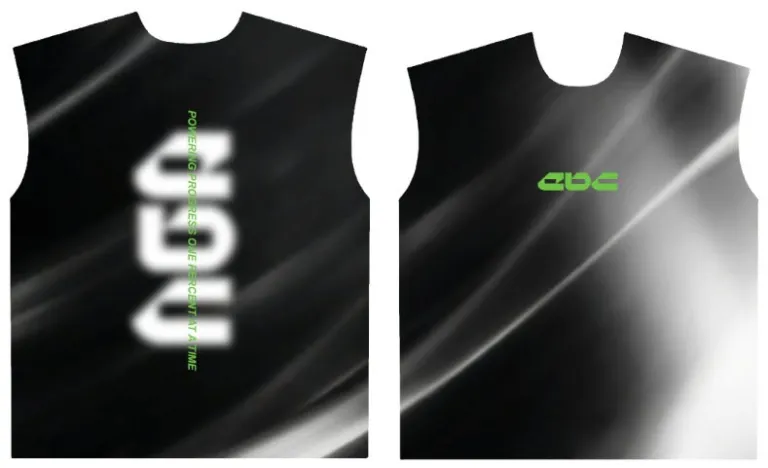
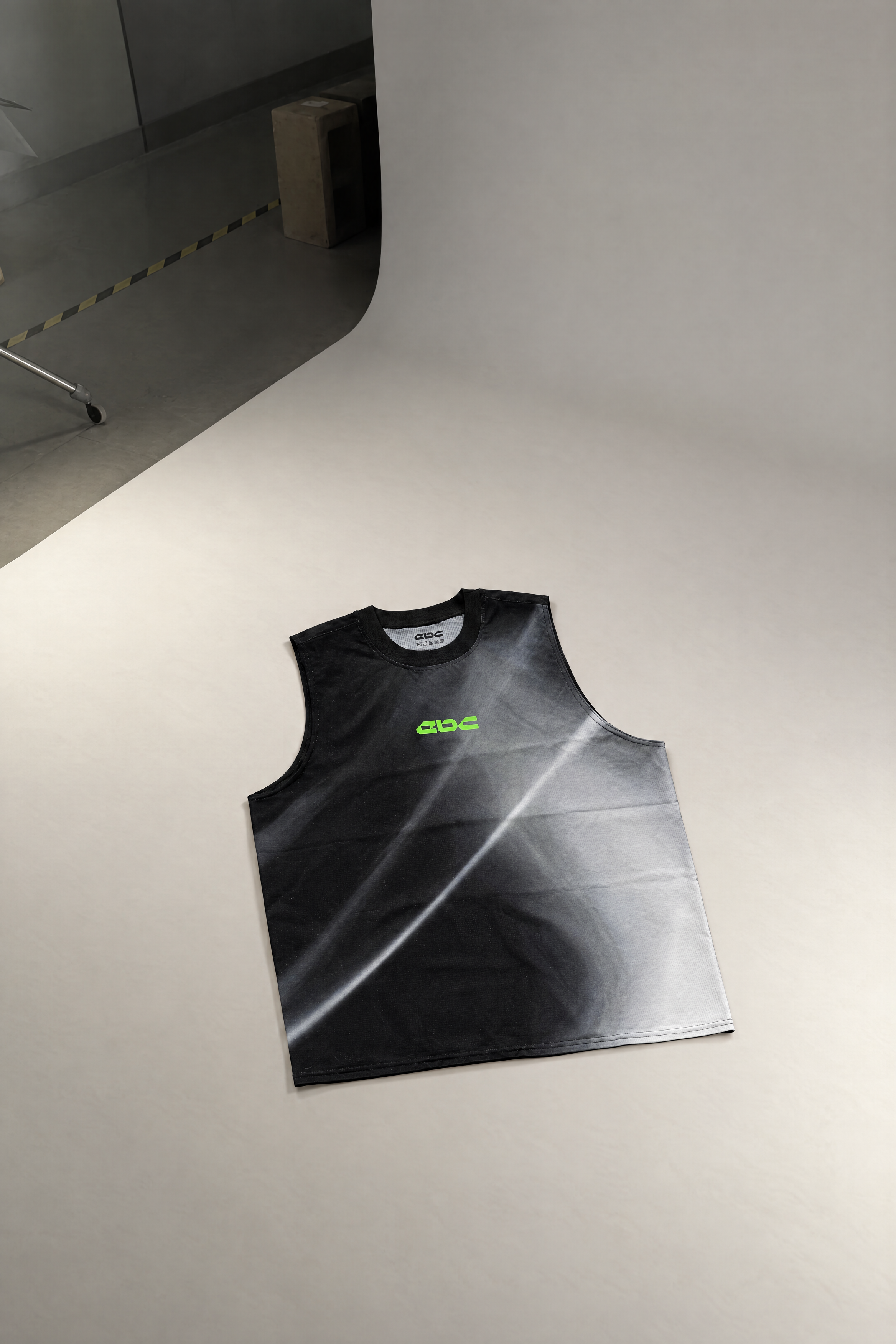
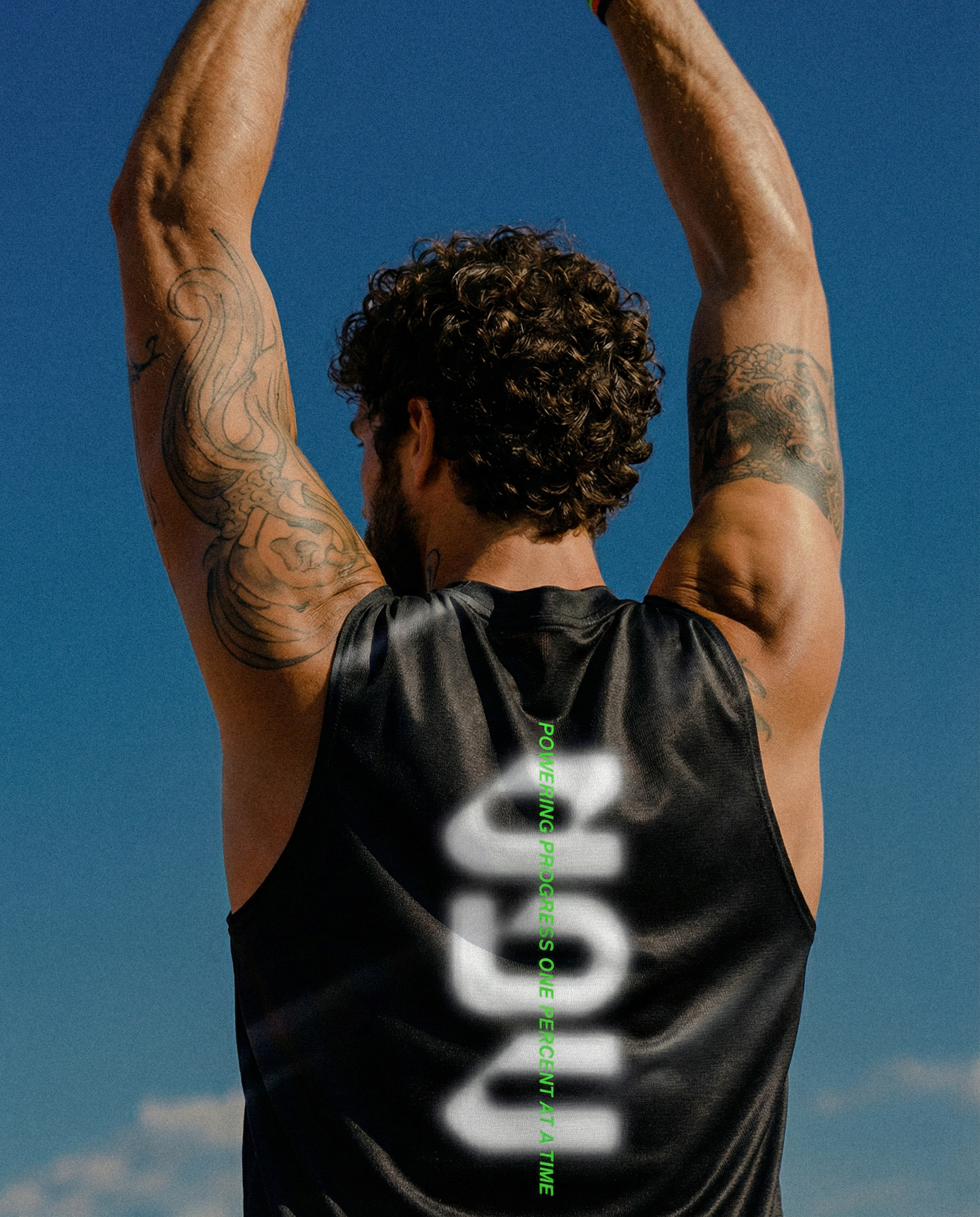
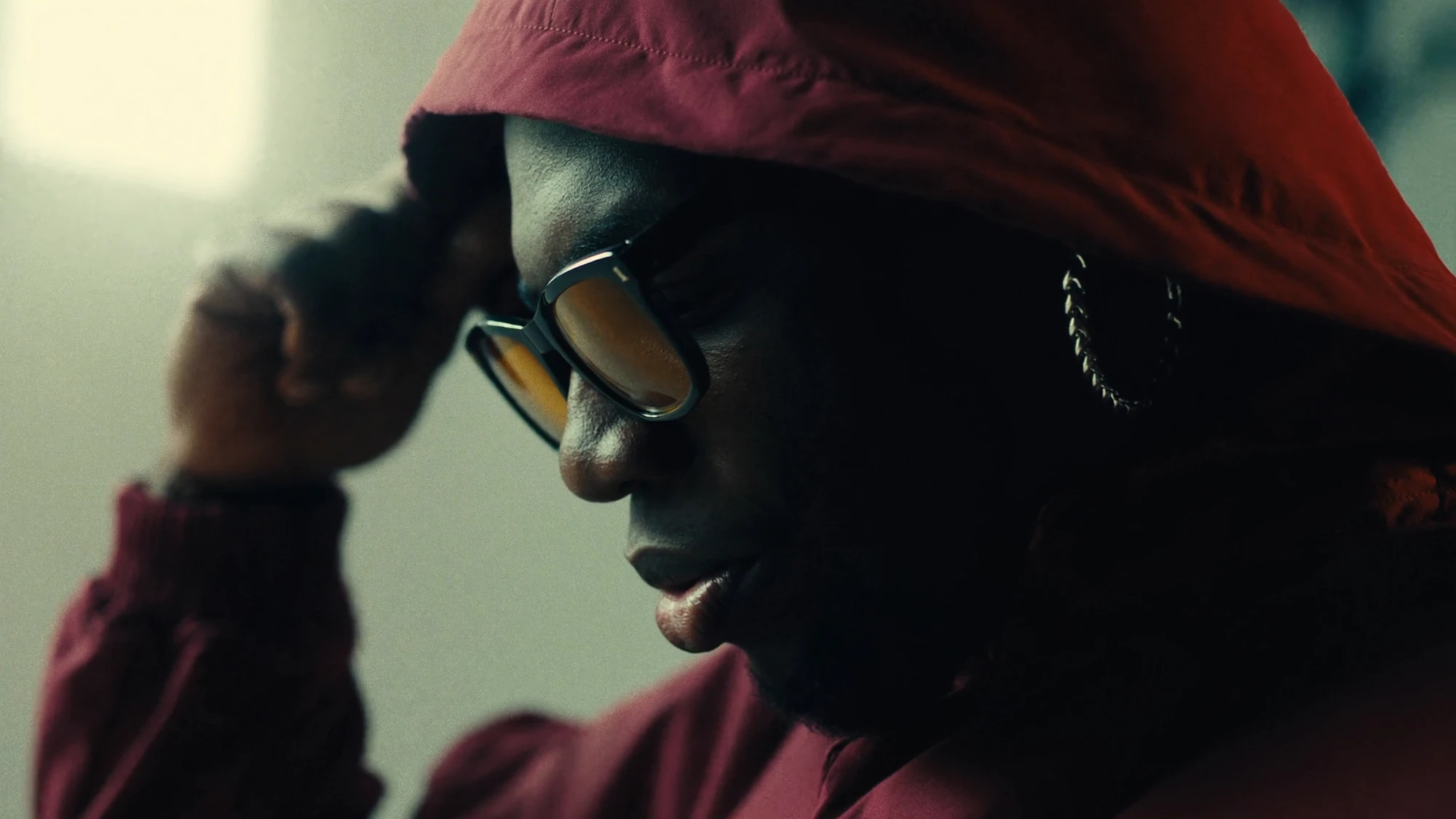
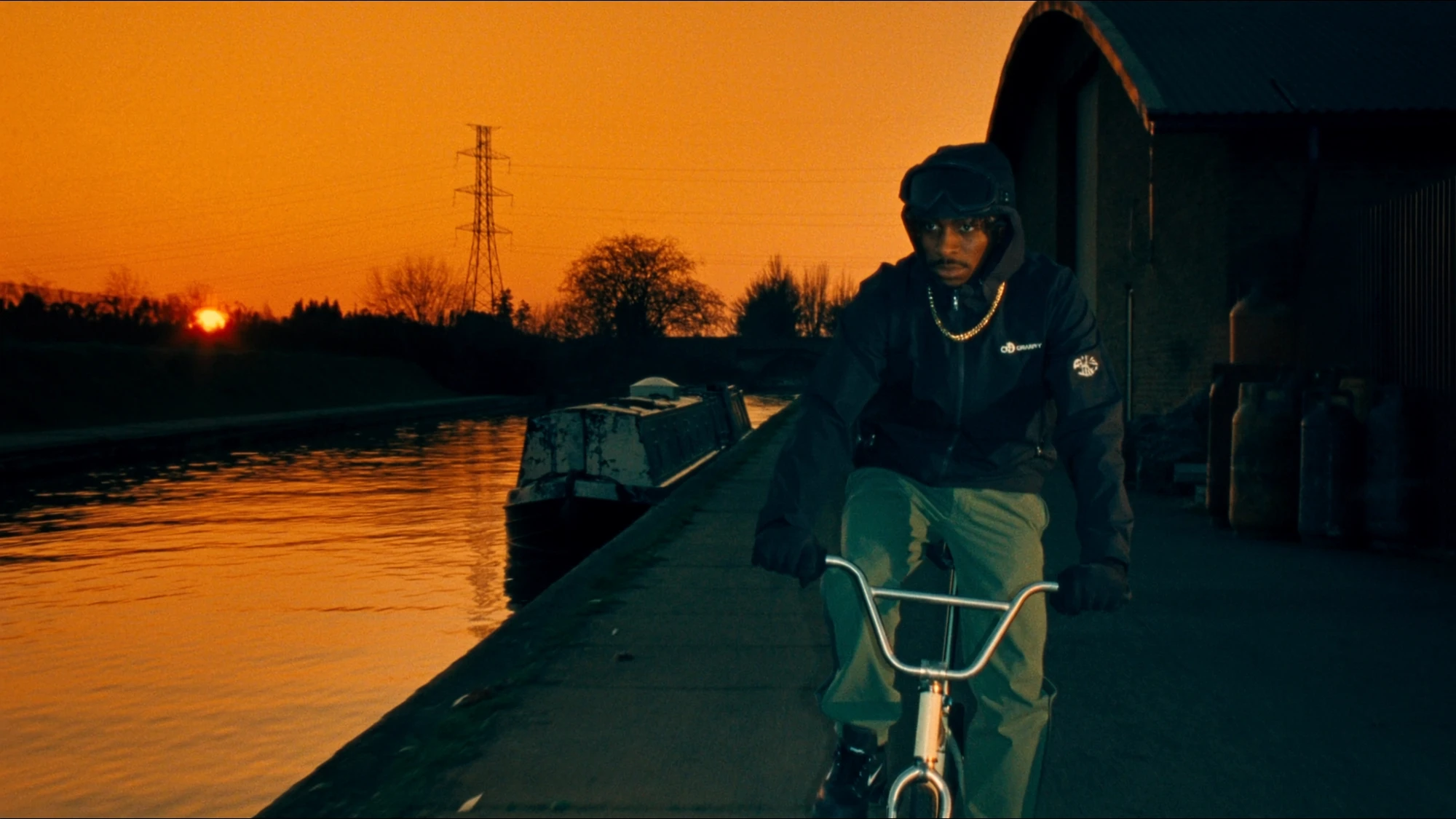
Images from the published Everyday Better Club story. These show the design, sample and campaign material; the checks above are a practical reading guide.
QUALITY CONTROL
Check the object, then the image.
- Silhouette: Does the outline match the supplied product reference?
- Identity: Are the mark, label, print placement and key colours correct?
- Material: Does the surface behave like the intended fabric, metal, glass or liquid?
- Contact: Do hands, shadows and supporting surfaces make the object feel grounded?
- Set consistency: Does it remain the same product in every approved frame?
Review at full size and at the intended viewing size. A subtle surface error may appear only when enlarged, while an unreadable product name can be obvious on a phone. Record the issue against a specific frame and reference rather than asking for a general improvement.
4. Develop motion around the story.
AI video production adds another set of decisions: what moves, how the camera behaves, how long the action lasts and where the shot begins and ends. A strong still does not automatically become a strong moving shot. Movement should serve the scene and leave the editor something usable to cut.
A shot brief might describe a restrained camera push towards a product while the environment moves gently around it. Another might ask for a character to cross the frame so the next shot can continue the action. Clear intent makes the result easier to judge than a broad request for something cinematic.
Review the entire clip. Faces, materials, lettering and shapes can shift during motion even when the opening frame looks correct. Check the beginning, middle and end, then watch it at normal speed. A flaw that passes in a still may become distracting when repeated in a loop.
When a shot remains unstable, simplify the action, change the framing, generate a shorter usable moment or use another production method. The important outcome is a coherent sequence. The method can vary from shot to shot.
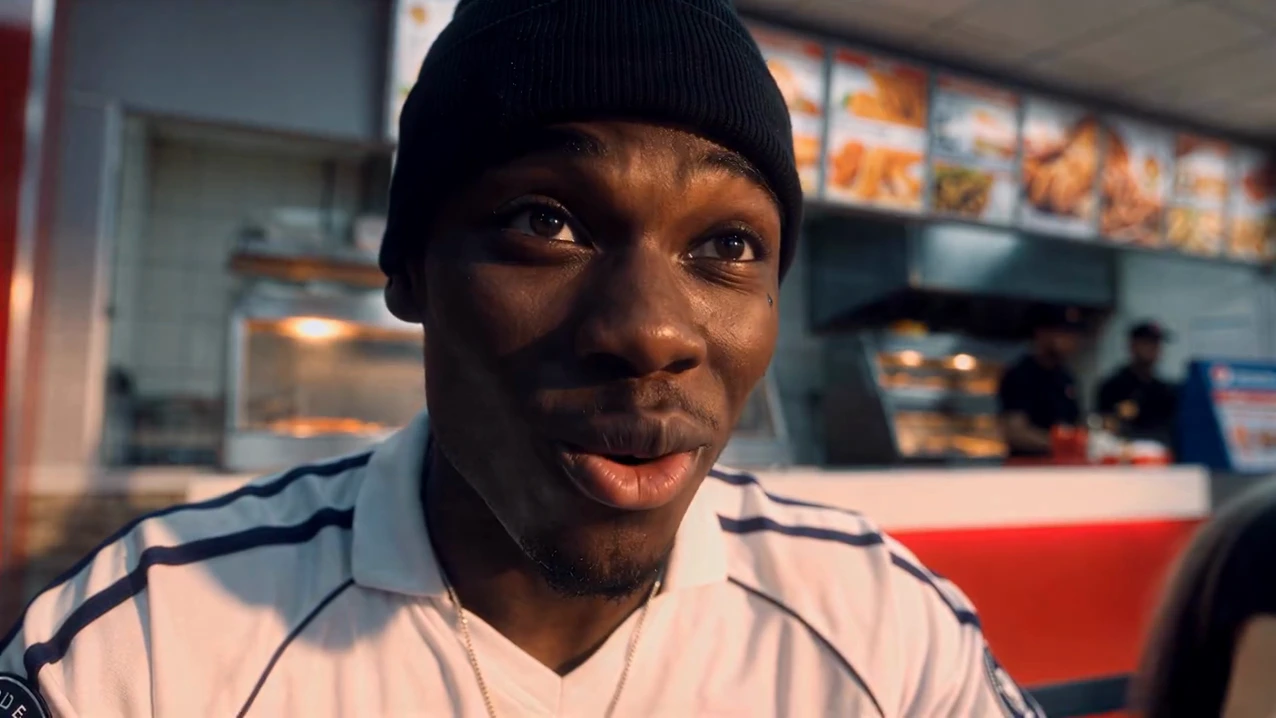
ILLUSTRATIVE SHOT PLAN
Give every shot a job.
For a simple product reveal, plan three distinct functions: establish the environment, direct attention towards the product, then resolve on a clear view of it. Specify what the camera and subject do in each shot, and where the action should finish so the next shot has a usable starting point.
A proposed push-in might ask for a steady camera move while the product remains still. Review whether the object changes shape, whether the background shifts unnaturally and whether the final composition leaves room for the required copy. This is an example of a shot brief, not a description of how Closing Shift was produced.
If the move repeatedly compromises the product, a locked camera with controlled environmental motion may communicate the idea more reliably. Make that choice against the story rather than treating movement itself as the goal.
5. Edit, composite and finish the work.
The edit decides what the audience experiences. Shot order, duration and transitions shape the meaning of the material. A visually striking clip may need to be shortened or removed if it distracts from the story. Equally, a quiet detail can give a sequence the pause it needs.
Compositing brings elements together: generated environments, photographed products, live-action footage, graphics or 3D. Finishing resolves distracting details and helps separate shots feel part of the same visual world. Colour work brings contrast, exposure and palette into a coherent relationship.
Sound contributes rhythm, space and emotion. Music, atmosphere, sound effects and voice should support the same idea as the picture. An AI-generated sequence still needs a considered sound treatment and a mix suited to the way the film will be played.
Review also has a practical side. Titles need to remain legible; approved copy should be exact; the product must be represented consistently. Check permissions and agreed usage for supplied assets, music, voices and likenesses as part of the project’s normal approval process.
6. Make a campaign system from the finished idea.
A campaign rarely ends with one master film. It may need a website edit, shorter social versions, stills and crops for different placements. Planning this family of assets alongside the main piece helps preserve a shared identity.
Adaptation involves creative decisions. A shorter edit needs its own clear opening and ending. A vertical version may require reframing or a different shot. Text positions, subtitles and important product details need space around the interface elements of the intended placement.
Before delivery, check the agreed exports for dimensions, running time, frame rate, audio, compression and naming. Watch the actual delivered files, not only the editing timeline. Compare the asset list with the brief so that the client receives the versions they are expecting.
For ongoing content, retain the approved direction and useful production references. That gives future pieces a starting point and makes it easier to continue the campaign’s visual language without repeating the same composition indefinitely.
BEFORE HANDOVER
A practical delivery check.
| Check | What to verify |
|---|---|
| Message | The opening and final frame communicate the approved idea in each edit. |
| Framing | The product, face and essential copy remain readable in every crop. |
| Picture | No visible frame glitches, unexpected transitions or inconsistent product details. |
| Sound | Dialogue is clear and the mix matches the agreed delivery requirements. |
| Files | Names, dimensions, durations, versions and exports match the asset list. |
Open the exported files outside the editing application. Test a representative file on the device where it will be viewed. Keep one delivery manifest that connects every filename to its placement and approval status.
Where AI helps—and what still needs judgement.
Generative tools can make it practical to explore unusual environments, test visual directions and develop imagery around an ambitious concept. That creates opportunities for AI marketing content, brand films and campaign stills. The value comes from choosing directions that serve the brand.
Speed and cost depend on the work. Exploratory images may develop quickly, while exact product fidelity, complex movement or strict continuity can require substantial refinement. A credible production scope allows for selection, revisions and post-production, as well as generation.
Tool names alone do not describe a production approach. Image and video systems change, and different shots place different demands on them. Evaluate the result against the brief: control, consistency, usable detail and how well the output fits the next production stage.
A creative AI agency brings these decisions together. Direction holds the concept in place, production finds a workable method, and finishing prepares the result for its audience. The quality of that connection matters more than the number of outputs generated.
What to ask an AI production studio.
Start with the work you want to make. Share the brief, references, product assets and intended placements. Ask how the studio would approach the difficult parts of the idea and what it would need to establish before committing to a production plan.
- Which elements need to remain exact, and how will they be checked?
- What will you review at the concept, image, motion and finishing stages?
- Which outputs and revisions are included in the scope?
- Where might photography, live action or 3D support the generated material?
- How will the final assets work across the required placements?
Look for a clear relationship between the creative idea, the process and the deliverables. You can explore Nightwolf’s selected work to see the range of visual directions, or read the existing Everyday Better Club campaign story for a project-specific account.
Common questions about AI production.
Is AI production fully automated?
A tool can generate an output automatically, but a campaign needs decisions about concept, selection, continuity and finishing. Those decisions determine whether the material answers the brief.
Can AI-generated content match a brand?
It can be developed around a brand’s visual direction and approved references. Consistency needs to be checked across the work, and exact details may require retouching, compositing or other production methods.
How long does an AI production project take?
There is no single timeline. Scope, shot complexity, product accuracy, review rounds and delivery formats all affect the schedule. A studio needs to assess those requirements before giving a useful estimate.
What should I send with an initial enquiry?
A short description of the idea, intended audience, references, available brand or product assets, required formats and target delivery date. Include a budget range if one has been set, so the proposed approach can reflect it.
HAVE AN IDEA IN MIND?
Let’s find
its possibility.
Tell us what you want to make. We can talk through the direction, scope and right production approach for your brief.
Start a conversation ↗