

Agree what the message means. Then decide what each language version needs.
1. Define the version before choosing the tool.
Before localising an AI brand film, agree the target market, the language variant, the message that must survive and the person who can approve it. Then inventory everything the audience reads, hears and sees. A translated voice track is one part of that inventory. It does not automatically update the offer, a product label, an end card or the destination behind a call to action.
Start with a version brief rather than a list of languages. “French version” leaves important decisions open: which audience, which market, which product offer and which landing page? A production team can prepare an output file without having enough information to answer any of those questions. Give each version a named owner and a destination before work begins.
For a brand or agency commissioning AI production, the useful distinction is between what stays fixed and what can change. The central idea, product identity and approved factual claims may be fixed. Wording, voice performance, timing and selected visual details may need adaptation. Record that boundary so a translator is neither forced into an awkward literal line nor asked to invent a new campaign.
This guide treats localisation as a production and approval task. It does not assume that a brand is expanding internationally, or that using an AI tool makes any particular market suitable. The first deliverable is a clear decision sheet, not a batch of unreviewed exports.
2. Inventory every layer that carries meaning.
Watch the approved source film once for speech, once for written material and once for visual context. Keep a timecoded list. Include small details: a price in a phone screen, packaging text, a spoken URL, a background sign or a closing date. Mark whether each item is editable, baked into the picture or absent from the supplied project.
| Layer | Decision needed | Approval evidence |
|---|---|---|
| Spoken script | Translate, adapt or retain? | Approved target script with pronunciation notes. |
| Captions | Which language, format and timing? | Reviewed caption file and playback. |
| Graphic copy | Which headlines, labels and end cards change? | Approved artwork in each delivery ratio. |
| Voice and face | Voiceover only, dubbing or visible lip treatment? | Approved performance and any altered picture. |
| Offer and destination | Which product, URL and call to action apply? | Confirmation from the market owner. |
| Image context | What remains relevant to this audience? | Context review of the actual sequence. |
Ask for a clean picture master and separate audio elements when available. If dialogue is permanently mixed with music and effects, replacing it becomes a different task from muting a dialogue track. If the headline is part of a generated image, changing it is different from editing a text layer. Establish those constraints before approving the scope.
Adobe documents caption translation as a caption workflow in Premiere. That is useful for preparing language tracks, but it should not be mistaken for an audit of every written element in the picture. Source: Adobe’s caption translation documentation. For caption-specific delivery decisions, see the caption briefing guide.

3. Approve meaning before fitting the timing.
Give the language reviewer the film, the intended audience and a short explanation of the creative idea. An isolated spreadsheet of sentences can hide the joke, the product reveal or the reason a word is stressed. Supply the terminology that must remain consistent and flag names that should not be translated.
Ask the reviewer to separate a meaning problem from a timing problem. First establish a natural, accurate target line. Then assess it against the available screen time and performance. If it does not fit, choose deliberately between rewriting, extending the shot or changing the edit. Compressing every line until it fits can discard the reason the line exists.
FICTIONAL BRIEF EXAMPLE / NO CLIENT OR TOOL TEST
A fifteen-second concept for an imaginary outdoor label, Fieldline, ends with the English line “Find your own way.” The buyer’s intent is personal independence, not navigation assistance.
The target-language reviewer proposes a natural equivalent and explains the intended meaning in English. The editor then checks it against the four-second closing section. If the spoken line crowds the brand name, the team revises the copy or closing timing before recording the final voice.
The approval record contains the target wording, the explanation, the available time and the reviewer’s decision. It does not claim that a literal translation or a faster read is automatically correct.
A back-translation can help a producer who does not speak the target language understand a decision, but it is not a substitute for a qualified reviewer’s judgement of the actual target copy. Ask that reviewer to watch the rendered film as well as approve the text. A line that reads naturally on a page may land differently when paired with a cut, a facial expression or an emphatic sound.
Monks argues for early creative preparation and local relevance in transcreation. Its article is an agency perspective, not independent proof of a particular performance improvement. Our practical takeaway is to assign the market reviewer while the edit can still change. Source: Monks on local authenticity.
4. Review voice and picture as separate deliverables.
Choose the intended listening experience. An off-screen narrator, a dubbed on-screen speaker and a film with translated captions require different production decisions. Ask whether the existing voice should remain audible, whether the visible speaker needs new mouth movement and who approves the resulting performance. Avoid ordering lip treatment for a film that does not need it.
Higgsfield’s AI Video Translator page describes translated dubbing and lip re-synchronisation. It also states that the Translate workflow does not provide an editable transcript or a separate SRT/VTT export. Those documented limits matter if the project requires controlled wording or a subtitle handover. Verify the current interface and the required output before committing the workflow. These are vendor descriptions, not a Nightwolf test of translation accuracy or visual quality. Source: Higgsfield AI Video Translator.
Approve the pronunciation of the brand and product names, the emphasis of the offer and the tone of the performance. Then inspect any picture treatment independently: mouth shape, facial identity, teeth, occlusions and cuts around the spoken line. A fluent voice does not establish that an altered face looks right; a convincing face does not establish that the words are right.

Retain the approved source and target files so reviewers can compare a specific interval. Name the issue in a revision note: pronunciation at a timecode, incorrect terminology or a visible change around a mouth. “The translation feels off” combines too many questions. The revision brief guide explains how to turn an observation into an actionable request.
5. Review the visual world in context.
Do not replace imagery solely because a new language is involved. Begin with the campaign idea and ask what the specific audience needs to understand. A mood, a material or a gesture may work without alteration; a visual pun, an offer graphic or a location-specific cue may need discussion. The reviewer should explain the issue in the actual context instead of relying on broad assumptions about a country or demographic.
Check the sequence as well as individual frames. The relationship between a portrait, a product and the line placed beside them can create a meaning that none of the assets carries alone. This is especially important when reusing a visual archive: an attractive image is not evidence that it belongs to the same story as the next one.
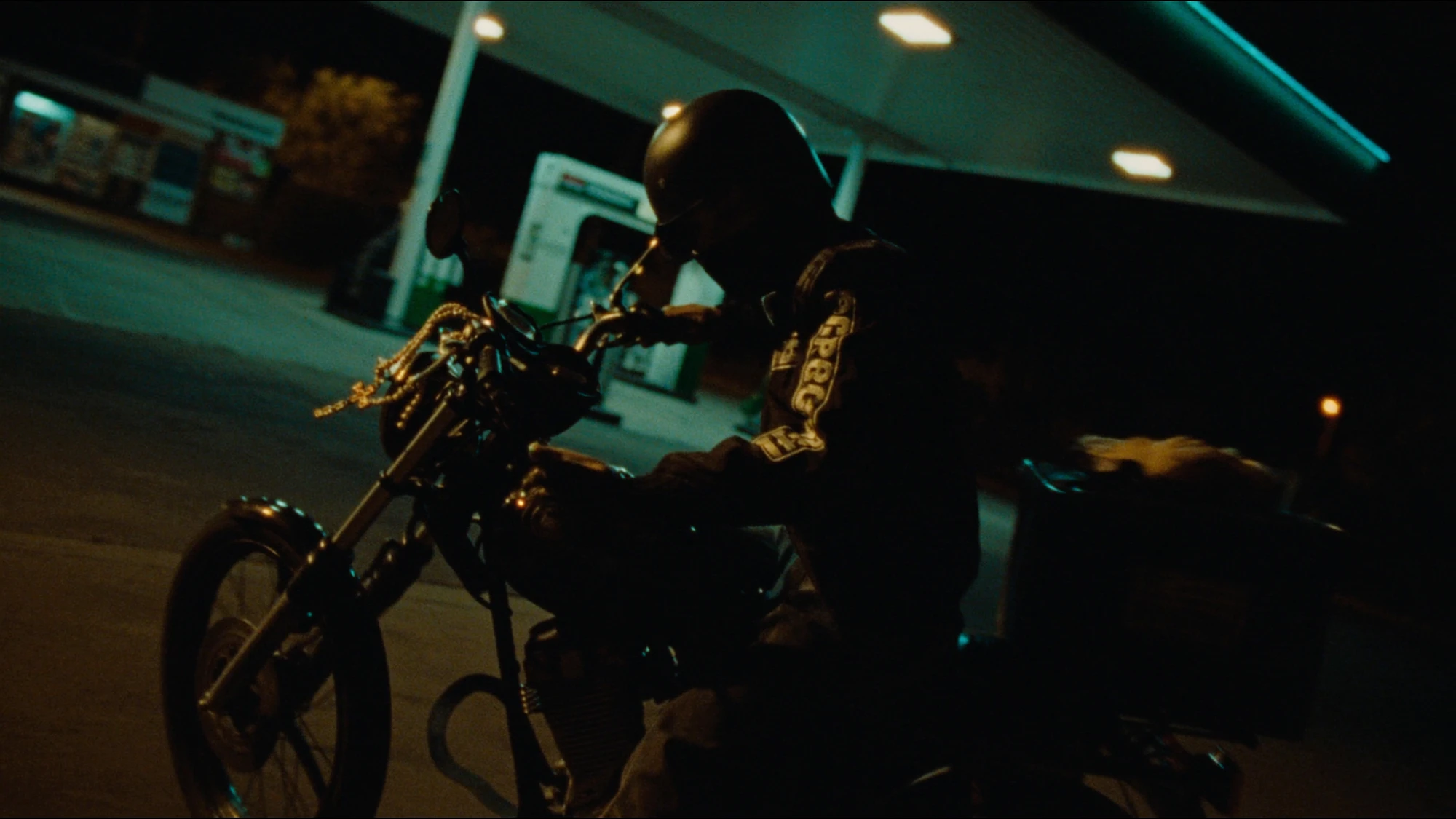
Review translated titles and end cards in every supplied aspect ratio. Check the real typeface, line breaks, reading interval and relationship to the product. Do not solve an overflowing line by automatically shrinking all the text. An approved shorter phrase or a revised arrangement may preserve the intended hierarchy more effectively.
Keep a clear distinction between content adaptation and format adaptation. A vertical crop may be a separate version of the same language asset. A language version may need unchanged framing but different copy and timing. Combining those decisions in a delivery matrix makes the total scope visible. The end-card guide covers the final message and destination in more detail.
6. Sign off the actual language exports.
Approval should attach to named files. Give each version a market or locale identifier, language, aspect ratio, duration and revision number. Keep a simple ledger showing which script, voice, graphics and captions were used. A file labelled “final French” is hard to audit once several teams have downloaded it.
LOCALISATION SIGN-OFF / BUYER’S CHECKLIST
- The target audience, language variant and market owner are named.
- The source script, target copy and protected terminology are approved.
- Speech, captions, graphics and embedded image text have each been reviewed.
- Voice pronunciation and performance have been checked by the language reviewer.
- Any altered facial movement has a separate visual approval.
- The product offer, call to action and destination match the intended release.
- Text fits and remains readable in every supplied format.
- The final exported files have been watched with sound and captions as intended.
- The version ledger and editable handover match the approved outputs.
Build the review cost into the brief. A useful scope states the number of versions, the source assets available, the required human language review and the number of revision rounds. A price per translated minute does not explain whether it includes artwork changes, new audio mixing, lip treatment or platform-specific exports.
If the English source changes after approval, identify all affected versions before replacing files. A new product name can touch speech, captions, graphic copy and the landing page at once. Mark dependent versions as needing review rather than letting an old target-language asset retain a misleading “approved” status.
The aim is a film that communicates the intended idea to its audience and can be maintained when the campaign changes. Ask for an auditable set of decisions and a finished export that a language reviewer has actually watched. That is a stronger approval standard than the number of languages available in a generation menu.
Sources checked 20 October 2026. Software features are attributed to vendor documentation; the agency source supplies perspective rather than independently measured results. Fieldline is an imaginary brand and the example is a planning exercise. Explore images are independent references, not one campaign or a verified localisation sequence.
DELIVER WITH INTENTION
A shared idea.
A considered version.
Bring the film, the intended audiences and the versions you need.
Discuss your project ↗