
Useful feedback names the change, protects the approved details and explains how the next version will be judged.
1. Separate the reaction from the instruction.
“Make it more premium” can be useful feedback. It tells the team that the current image is missing an intended feeling. It does not yet identify whether the problem is the lighting, product scale, colour, typography or setting. Sending that phrase straight into another generation leaves too much of the decision unresolved.
A revision brief connects three things: the intended communication, an observable issue in the current version and a proposed change. It also names what must remain intact. That last part matters when a change to the scene can affect details that were already approved.
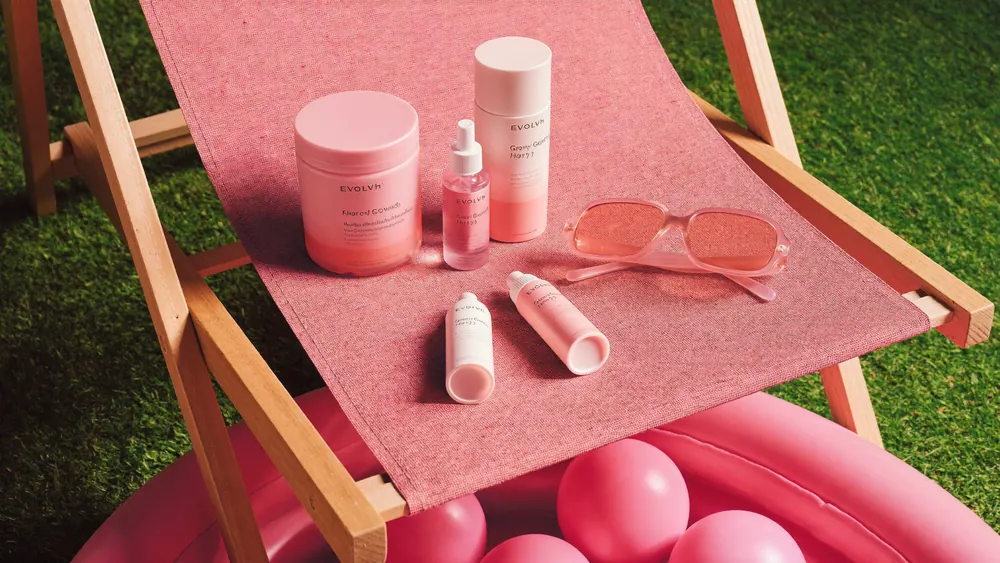
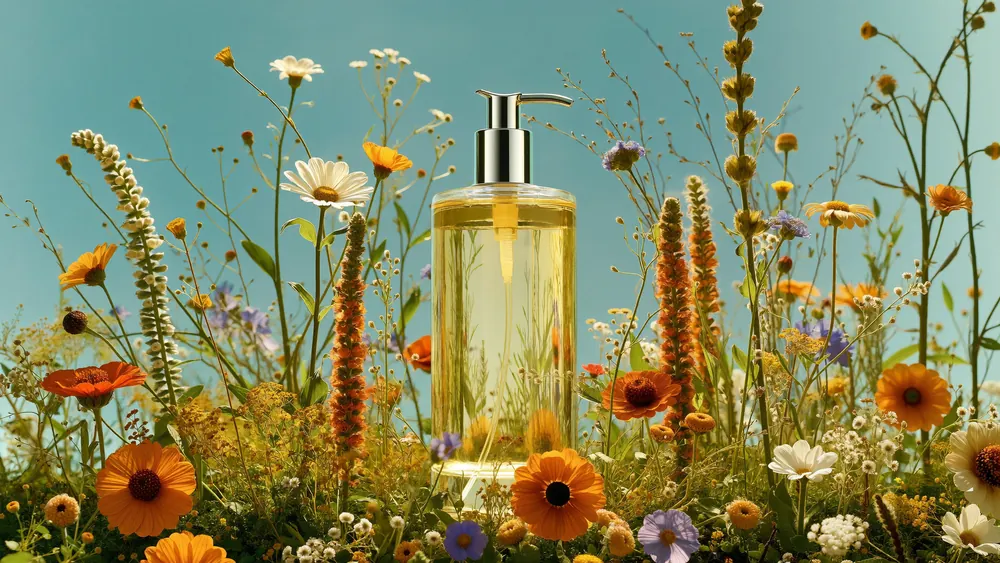
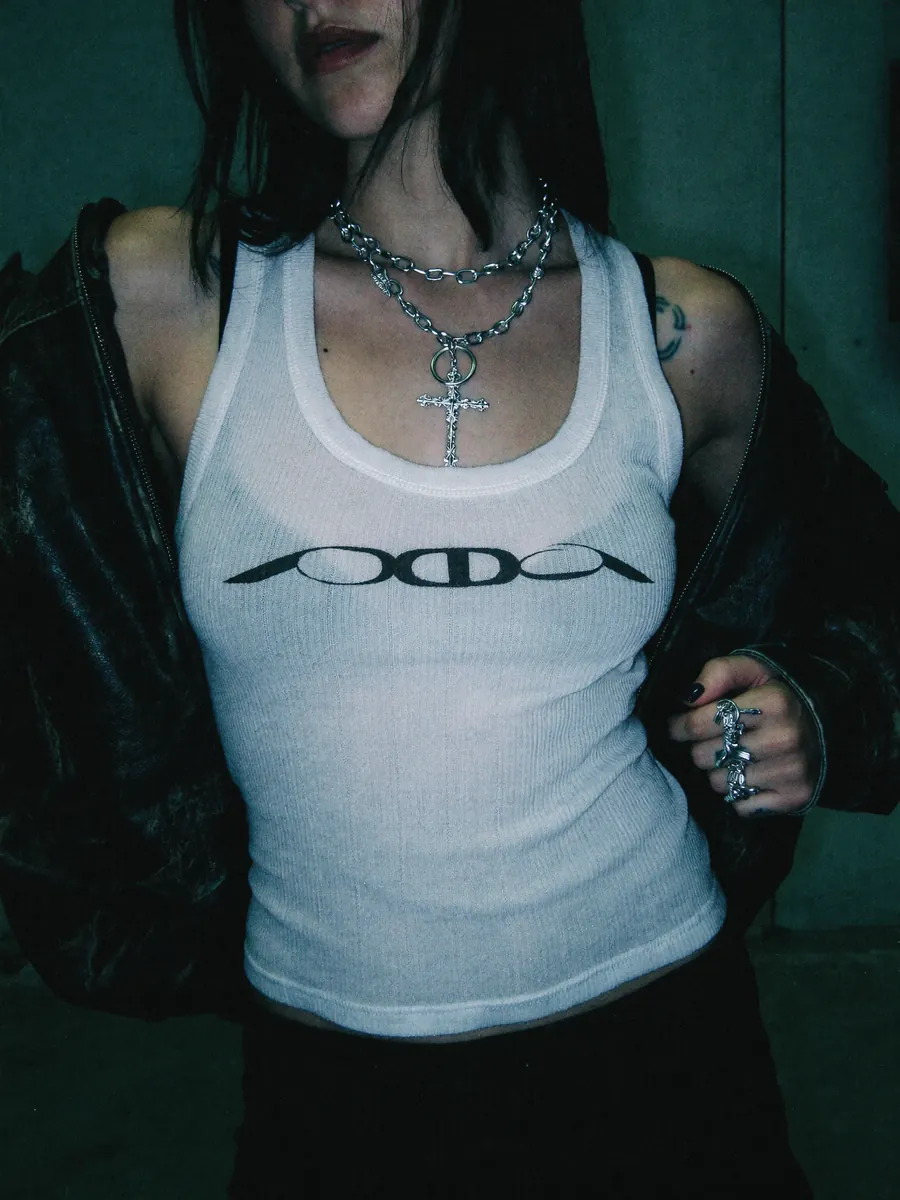
Our worked example is a fictional insulated-bottle launch. Imagine a blue bottle on a warm outdoor tabletop, intended for a vertical social advertisement. The bottle colour and silhouette have been approved; the background and framing remain open. This is an illustrative review exercise, not a client commission, generated test or record of Nightwolf production results. The Explore images illustrate separate visual principles and do not depict that fictional campaign.
Suppose the first review says: “More premium, warmer, bigger product, and a bit more energy.” Before choosing a tool, translate each reaction into a question the reviewer can answer. Is the product hard to see? Does the background feel too busy? Is the light cold, or is the product itself the wrong colour? Those are different interventions.
2. Resolve conflicting notes before production.
Collect feedback against one identified version. A useful reference might be “Bottle launch, vertical still V03, full-resolution export”. For motion, include the shot and a time range as well. Screenshots should identify the area being discussed, but the team should retain access to the whole frame and the actual file.
In our example, one reviewer wants warmer colour while another wants the approved blue protected. These requests need not conflict: the background and light can feel warmer while the product stays close to its approved reference. They become contradictory only if “warmer” is applied indiscriminately to the whole image.
Choose one person to consolidate decisions and identify any unresolved trade-off. Superside’s published workflow recommends internal alignment on stakeholder feedback before it goes to the project manager. That is an agency’s documented process, not evidence of Nightwolf’s contractual revision allowance. Source: Superside project workflow.
Do not hide a disagreement inside a long list of comments. If one decision-maker wants a restrained still and another wants an energetic camera move, resolve the intended treatment first. Asking production to satisfy both without a priority usually produces an ambiguous brief.
3. Translate four comments into reviewable changes.
The table below shows one possible interpretation of our fictional feedback. These are proposed creative decisions, not universal meanings of words such as “premium”. A reviewer should confirm the interpretation before the next version is produced.
| Feedback | Proposed change | Preserve | Acceptance question |
|---|---|---|---|
| “More premium” | Reduce competing background detail and simplify the tabletop styling. | Bottle shape, cap and approved finish. | Does the bottle read as the primary subject at the intended mobile size? |
| “Warmer” | Warm the surrounding light and background, using the approved product reference for comparison. | Blue product colour and label contrast. | Does the scene feel warmer without making the product look like a different colourway? |
| “Bigger product” | Prepare a tighter vertical framing proposal. | Complete cap and base; agreed space for copy. | Is the product more prominent without clipping it or crowding the message? |
| “More energy” | For this still, explore a stronger diagonal in the surrounding composition. | Approved product geometry and legibility. | Does the composition feel more active while the product remains clear? |
The last row deliberately defines energy as a compositional change. It does not silently add a video deliverable. If movement is actually required, that is a separate conversation about shots, duration, production method and delivery.
A table is most useful when it exposes dependencies. Tighter framing affects available copy space; warmer light affects colour judgement. Review these together rather than approving each note in isolation and discovering the conflict in the final layout.
4. Give unchanged details their own checklist.
“Keep everything else the same” expresses intent, but it is too broad to serve as the only review criterion. List the details that matter most: product proportions, cap construction, printed wording, approved colour, contact shadow and space reserved for the headline. Compare them with the approved reference after the change.
Runway’s Aleph 2.0 prompting guide recommends simple, specific edit instructions built around a transformation such as adding, removing, replacing or relighting. It also describes preservation behaviour. Treat this as vendor guidance: the output still needs inspection, and the brief should not promise that every unmentioned detail will remain exact. Source: Runway Aleph 2.0 prompting guide.
For our example, a possible direction is: “Simplify the background behind the bottle, retaining the warm outdoor setting.” The preservation list belongs beside that direction, with the approved reference available. This is an illustrative instruction, not a tested prompt or a guarantee of model behaviour.
Review the unrequested areas as well as the target. A cleaner background is not a successful revision if the bottle’s cap changes or its label becomes illegible. Record those regressions explicitly rather than calling the whole version simply better or worse.
5. Choose the smallest appropriate intervention.
The revision brief should state the required result before prescribing the technique. A crop may solve scale. A controlled grade may address part of a colour issue. Retouching or compositing may be appropriate for a local correction. A different camera angle or a substantially new environment may require broader production work.

Classify each request as a correction against an agreed requirement, a refinement within the chosen direction or a new direction requiring a scope decision. The distinction should follow the actual agreement. It is not an automatic rule that every correction is free or every creative adjustment costs more.
For the fictional bottle, simplifying props might stay within the current direction. Moving the scene from a tabletop to an underwater environment would change the premise. Agree the extra work before treating it as the next ordinary revision. Our production-quote guide explains why deliverables and revision boundaries belong in the scope.
For moving images, include the surrounding edit in the assessment. Sphynx Motion’s Johannesburg studio describes its broadcast example 420HiQ as a combination of motion design, AI-assisted creative development and post-production. That is the studio’s own account, not an independently measured result. The useful planning implication is that a note can concern several production disciplines; it should not automatically become a regeneration request. Source: Sphynx Motion’s production examples.
6. Send a brief that can survive the handover.
FICTIONAL REVISION BRIEF / REUSABLE STRUCTURE
Blue bottle launch — V03 to V04
Purpose: Make the bottle the clear focal point in the vertical advertisement.
Change: Simplify the background; propose a tighter crop; warm the environment without shifting the approved blue.
Preserve: Bottle silhouette, cap, label, approved finish and reserved headline space.
Priority: Product accuracy first, clear hierarchy second, environmental warmth third.
Review package: Full-resolution candidate, intended placement preview and a short note listing completed changes or unresolved issues.
Decision: One consolidated response identifying accepted changes and any remaining correction.
Attach the exact source version and references. Avoid relying on “the latest one” when several exports exist. If the production team proposes a different method or cannot preserve a required detail, resolve that before more work is spent on a candidate that cannot meet the brief.
Separate mandatory changes from optional exploration. “Must retain the approved cap” is a requirement. “Could try a more diagonal arrangement” is an exploration. Mixing these categories makes it harder to know whether a version is incomplete or simply follows a different creative option.
7. Close the revision against the brief.
Review the next version in two passes. First check the requested changes: hierarchy, framing and warmth. Then check the preserved details and the actual placement. For video, watch at normal speed and inspect relevant frames; a local improvement must also work across time and alongside adjacent shots.
- Is this the agreed version and format?
- Has each mandatory note been addressed or explicitly left unresolved?
- Are the approved product details still accurate?
- Does the image work with its final copy and crop?
- Has any new issue appeared outside the edited area?
- Is the next decision approval, a bounded correction or a new scope discussion?
This approach makes feedback usable without removing creative judgement. “More premium” can still begin the conversation. The revision brief finishes it with a shared account of what will change, what matters most and how the result will be assessed.
For the steps around revision, read our guides to choosing production references and approving campaign images, or explore Nightwolf’s creative production capabilities.
Sources checked 13 October 2026. The bottle scenario and revision record are fictional educational examples. Explore images are independent visual references, not one campaign, generated experiments or before-and-after comparisons.
GIVE FEEDBACK DIRECTION
Clear decisions.
Considered revisions.
Bring the idea, its references and the decisions still to make.
Discuss your project ↗