

The most useful production brief explains the creative ambition and makes the practical requirements visible. It gives the team enough clarity to make decisions, with enough room to develop a strong idea.
1. Define the job the work needs to do.
A useful brief starts with an outcome. Describe what you want the audience to understand, feel or do after seeing the work. “Create a cinematic AI film” describes a format and a technique, but it leaves the central creative question unanswered. What is the film for?
For a product launch, the priority might be to introduce a new collection and make its character recognisable. For an established brand, it could be to explore a new visual direction while preserving familiar cues. Those are different jobs, even when both lead to a short film and a set of stills.
Write a single sentence that connects audience, message and purpose. Then separate essential requirements from preferences. If the product must be clearly visible in the opening shot, say so. If a particular location is just one possible expression of the mood, explain that too. This gives a creative team room to contribute without guessing which decisions are already fixed.
WORKED EXAMPLE
Turn an open request into a usable direction.
TOO OPEN
“Make a premium product film with AI. Something cinematic for social.”
MORE USEFUL
“Introduce our refillable handwash to design-conscious customers. Show the bottle clearly, create a warm botanical atmosphere and end on the refill message. We need a website version and a vertical launch edit.”
This is a fictional example, not a Nightwolf client brief. It names the product, audience, atmosphere, message and placements while leaving room for the creative team to propose the scenes.
The next questions become specific: what bottle reference is approved, which refill wording is final, and does the launch edit need to communicate without sound? Answering those questions gives the studio a usable scope.
2. Describe the audience and viewing context.
Tell the studio who the work is for and what that audience already knows. A campaign introducing an unfamiliar product needs different information from a film made for an existing community. Include the language, tone and level of explanation the audience will expect.
The placement changes the creative decisions. A website film might be viewed alongside product information. A social edit may appear without that context. An event screen could demand a composition that reads at a distance. Describe the actual use rather than treating every output as a smaller version of the same master.
List the intended placements and whether the work must make sense without sound. Identify the message that each version must retain. This helps the team decide what belongs in the picture, what belongs in accompanying copy and what cannot be lost during adaptation.
3. Explain what each reference contributes.
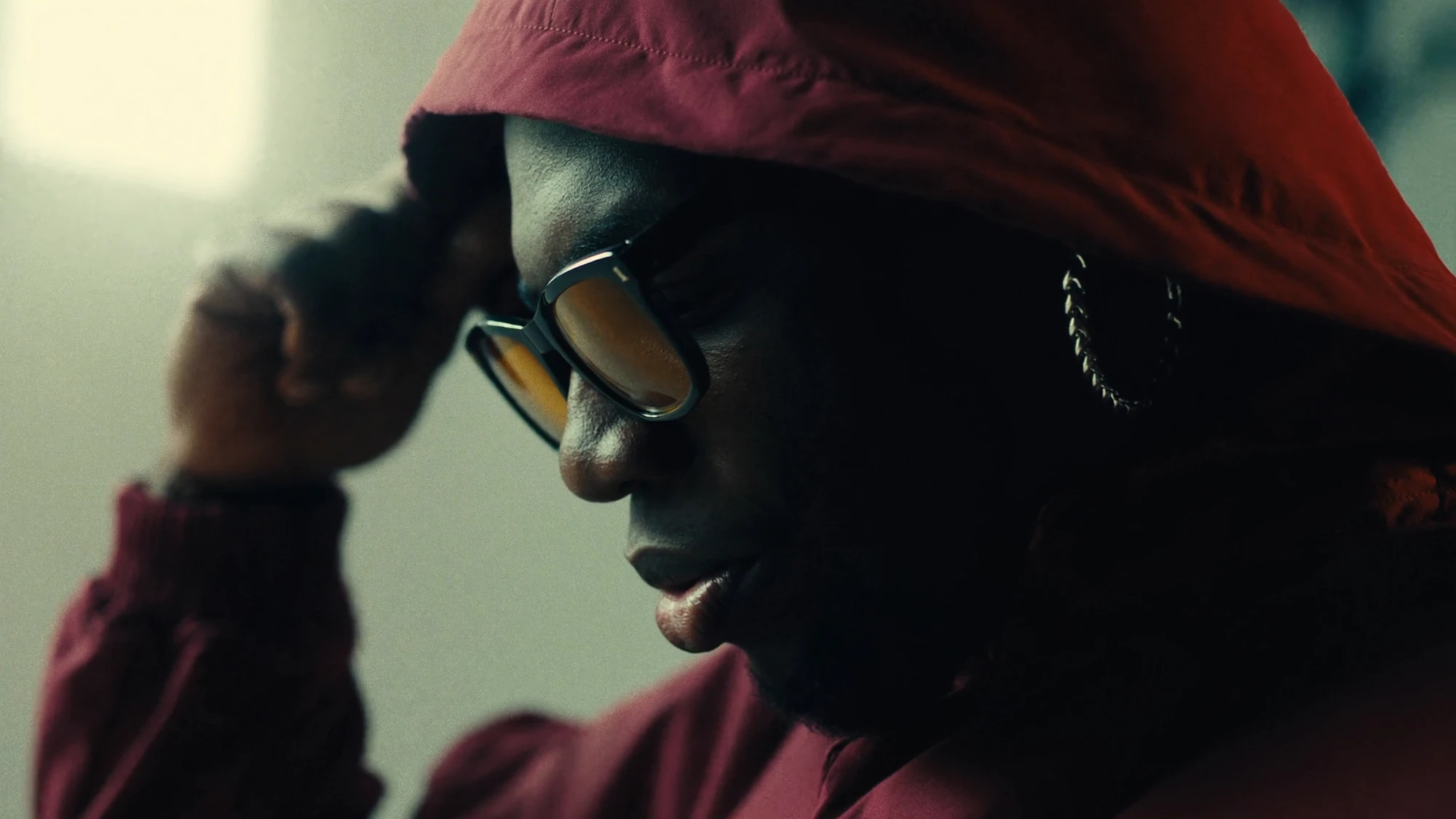
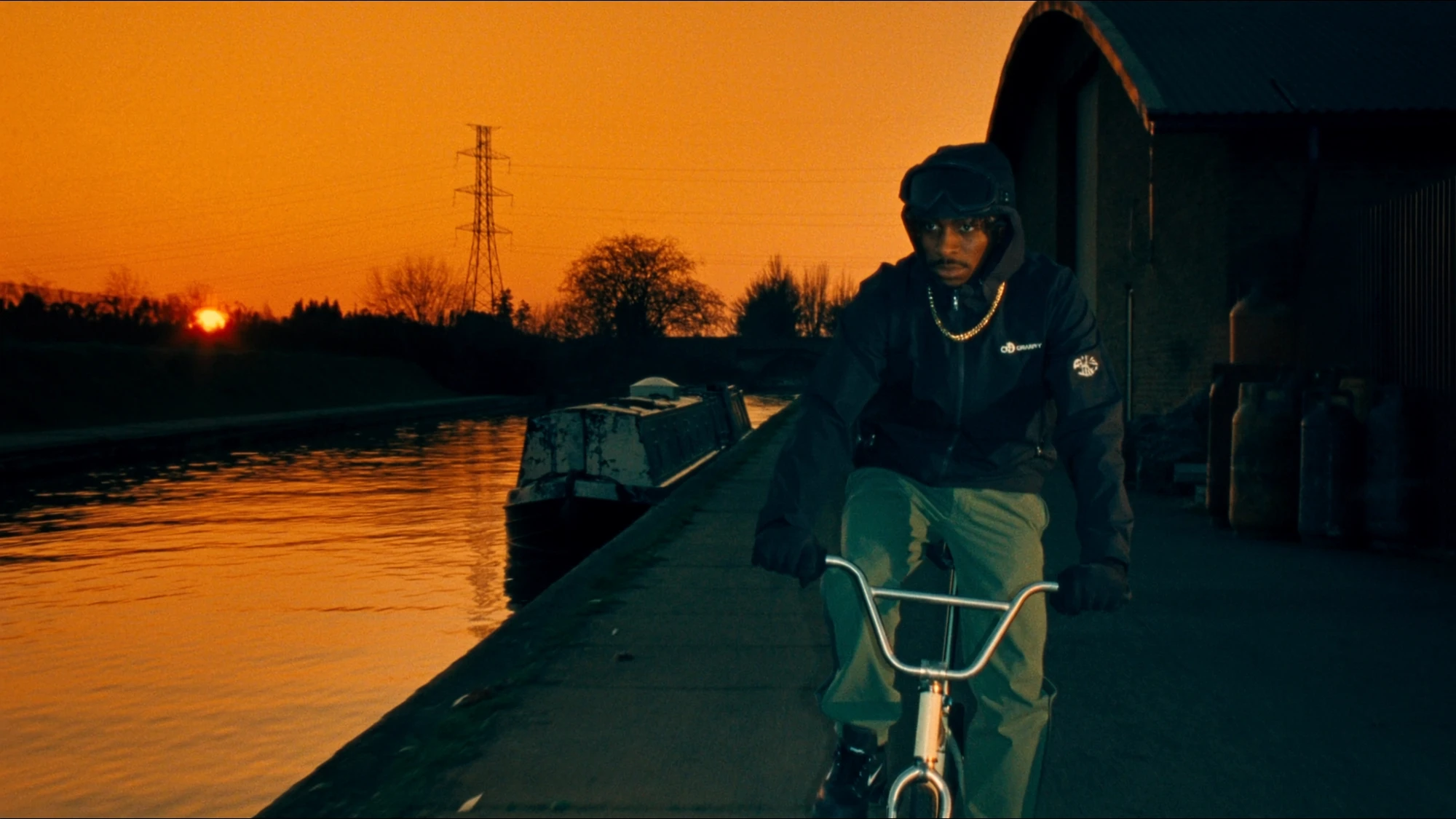
A reference board is more helpful when it includes reasons. Instead of supplying ten images with “we like this”, annotate the decisions you want to explore: hard sunlight, restrained camera movement, an intimate crop, a particular colour relationship or the contrast between a product and its surroundings.
References can disagree. One might suggest a quiet, natural atmosphere while another suggests glossy spectacle. That is not necessarily a problem, but the brief should establish which quality matters most. The studio can then propose a coherent direction rather than averaging incompatible styles.
Include a few boundaries as well. Explain what would feel wrong for the brand, and why. A short note such as “avoid making the material look metallic; its soft texture is essential” provides a concrete evaluation criterion. Distinguish inspiration from assets you have permission to incorporate, and identify any supplied material that is only for discussion.
You do not need to prescribe a prompt or choose a model before approaching a studio. Describe the desired result and the constraints. The production method can be worked out around them.
REFERENCE NOTES
Separate the qualities you want to borrow.
Give each reference a short note under four headings: light, composition, colour and feeling. Mark which of those qualities is essential. If two images suggest different directions, ask the studio to explain the trade-off before merging them into one treatment.
Avoid using a reference as a substitute for a product description. It can show the feeling you want, but your asset pack still needs to establish the product’s actual shape and finish. Keep reference images for inspiration separate from approved material intended for use in the final work.
4. Identify the details that must stay accurate.
If the work features a real product, provide a reliable reference pack. Depending on the subject, that might include approved photographs from several angles, dimensions, colour information, packaging artwork, logos, material notes and existing 3D assets. Label the current version clearly so old and new designs cannot be confused.
Make a distinction between the product and the world around it. You may be happy to invent a location while requiring the garment fit, printed mark or bottle shape to remain exact. Put those requirements in the brief rather than leaving them to a final review.
- Must match: shapes, proportions, labels, logos and other essential identifying details.
- Can be interpreted: environment, atmosphere, styling or supporting elements, within agreed limits.
- Needs a decision: features for which the supplied references are incomplete or inconsistent.
Ask how accuracy will be demonstrated at review. An attractive frame should still be checked against the approved asset pack. Where a detail requires a more controlled method, the scope may need to include photography, 3D, retouching or compositing. That decision is easier to make before a large set of images has been developed.
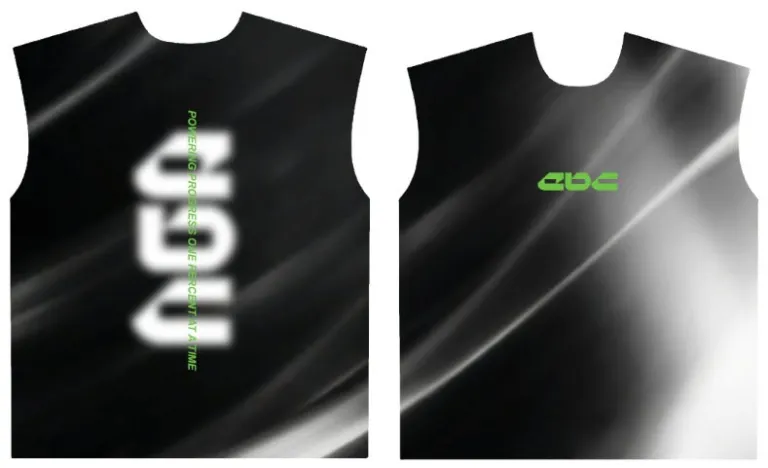
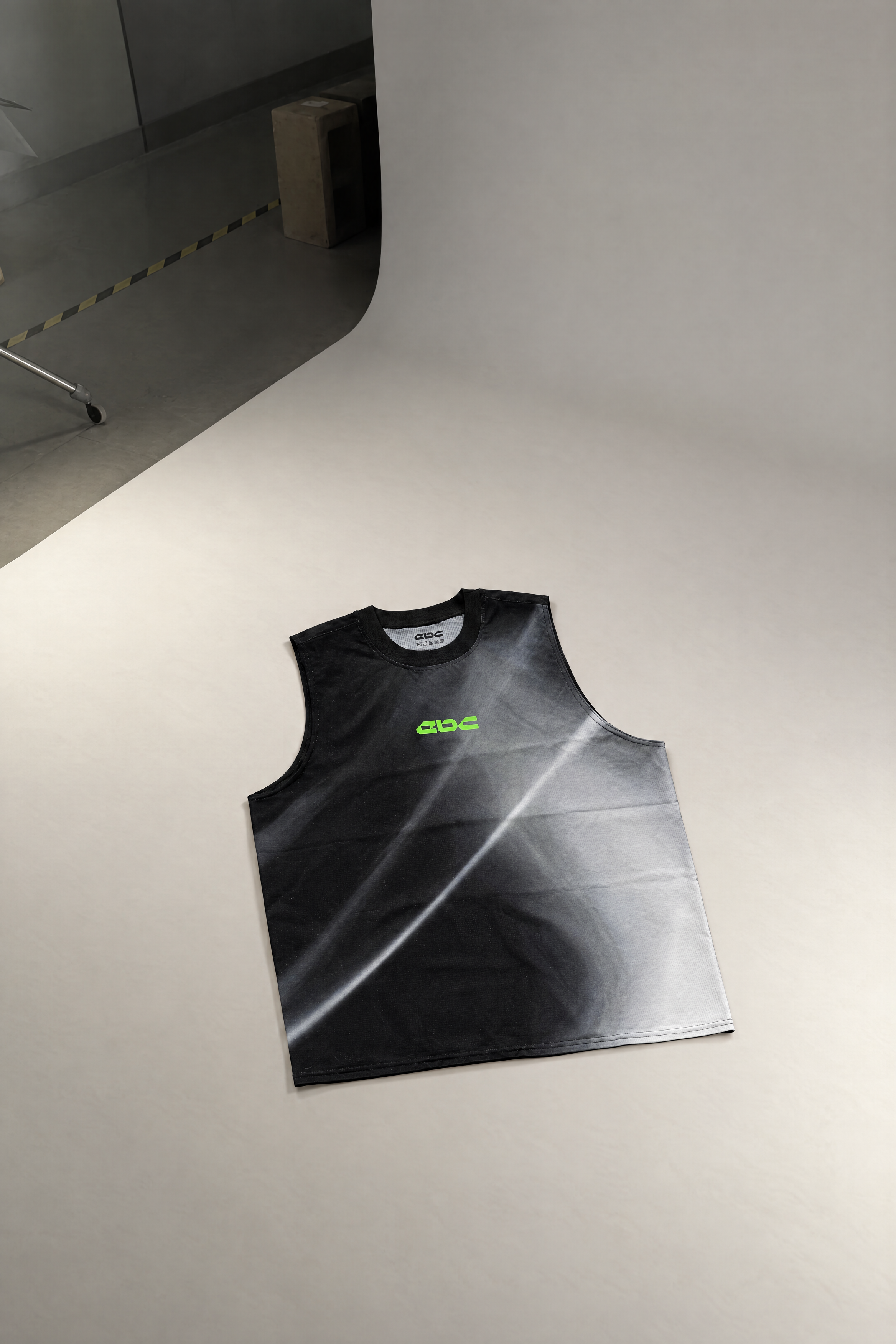
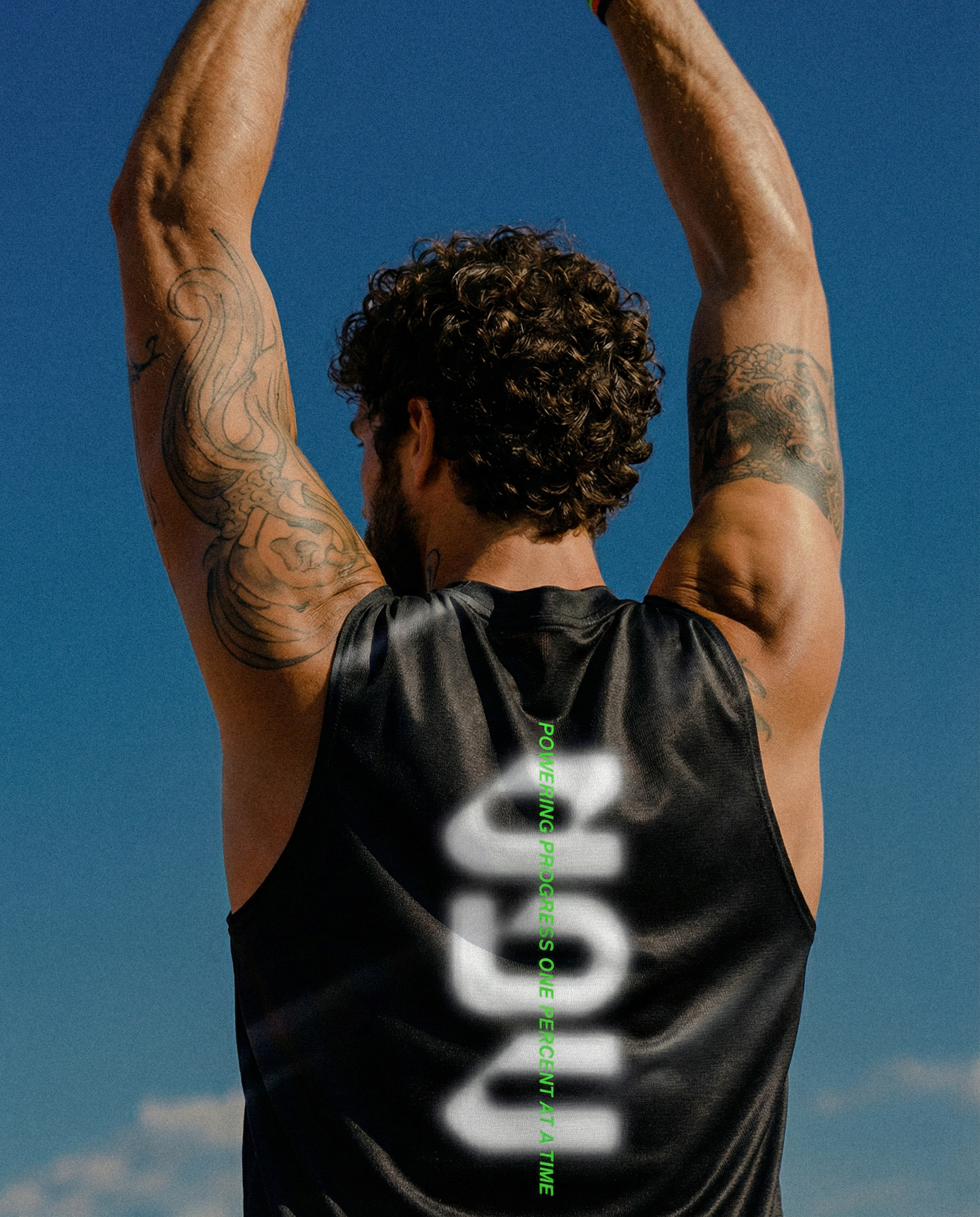
Images from the published Everyday Better Club story. These show the design, sample and campaign material; the checks above are a practical reading guide.
5. Turn “a campaign” into a deliverable list.
Define what the studio is expected to hand over. Separate films, still images and adaptations, then record the intended placement for each. A hero film, three short edits and six campaign stills are different deliverables with different creative and finishing requirements.
For motion, specify the target duration, orientation, language versions and whether captions or text-free versions are needed. For stills, explain the intended crop, where copy will sit and any areas that must remain clear. Confirm technical export requirements with the team responsible for the final placement rather than assuming a universal specification.
An illustrative list could read: one landscape launch film, two vertical edits with different openings, four campaign images and a clean version of each image without typography. This is a planning example, not a standard Nightwolf package or price. The useful part is that every item can be discussed, estimated and checked at delivery.
Also distinguish final exports from editable files, working project files and production references. If any of those are required, agree them explicitly. A clear handover avoids discovering at the end that two teams understood “all assets” differently.
ILLUSTRATIVE SCOPE
Build an asset list the whole team can read.
| Asset | Purpose | Decisions to confirm |
|---|---|---|
| Website film | Introduce the product and its visual world. | Duration, player size, opening poster and sound behaviour. |
| Vertical edit | Communicate one launch message quickly. | Opening, crop, caption treatment and space for placement controls. |
| Campaign stills | Carry the same identity across the launch. | Number of compositions, crops, copy space and clean versions. |
| Product detail | Make a particular feature easy to see. | Approved feature reference, magnification and required accuracy. |
This is a discussion framework, not a fixed package or platform specification. Agree the actual quantities and export settings with the team handling the placements. Record adaptations separately so that “one film” does not quietly become several different edits.
6. Decide who approves what, and when.
List the people involved in approval and nominate one person to consolidate feedback. Creative, brand and product stakeholders may be looking for different things. Their input is valuable, but a production team needs a single clear set of decisions to act on.
Break approval into stages. Concept review establishes the idea. Visual-direction review establishes the look. Selected-frame review checks the subject and detail. Motion and edit reviews assess action, continuity and pacing. Final review checks the agreed finished assets. The exact milestones can change with the project, but their purpose should be clear.
At each stage, record what is approved and what remains open. If a product, setting or creative direction changes after approval, discuss the effect on scope and timing before continuing. This makes revisions manageable and helps avoid polishing work that is about to be replaced.
Useful feedback describes the problem and its importance. “The label is not readable at the intended size” is actionable. “It needs more impact” needs further discussion: should the composition be simpler, the opening more direct, the contrast stronger or the edit faster?
FEEDBACK THAT MOVES THE WORK FORWARD
Name the issue, the reference and the priority.
Instead of: “It does not feel premium enough.”
Try: “The bright background is competing with the bottle. Can we simplify the setting while keeping the warm light from reference two? Product readability is the priority; the background flowers can change.”
That feedback identifies what is wrong, points to an agreed reference and explains what can move. Consolidate conflicting comments before sending them to the studio. If one stakeholder wants more atmosphere while another wants a cleaner product frame, resolve which purpose takes priority for that particular asset.
7. Share the budget, deadline and priorities.
A budget range helps a studio propose an appropriate approach. Without one, a team may develop an ambitious route that does not fit the available production resources. Sharing constraints early allows the conversation to focus on the most valuable parts of the idea.
Give the actual delivery deadline and explain what happens before it. Internal review, agency handover, localisation and media preparation may each need time. Include known periods when essential reviewers will be unavailable, and distinguish a preferred date from a fixed launch commitment.
If the brief is ambitious, rank the priorities. Is the essential outcome a strong hero film, a broad image collection or flexibility across multiple placements? Where scope needs to change, those priorities help protect the work that matters most. Avoid assuming that generation makes every revision immediate; selection and finishing still need space in the plan.
SCOPE TRADE-OFF
Protect the part that matters most.
If the available budget or time cannot support every requested asset, compare three options: reduce the number of compositions, simplify the complexity of a shot, or reduce the number of adaptations. Each changes a different part of the outcome.
For example, keeping a carefully finished hero sequence and fewer cutdowns might suit a launch led by one film. A campaign that depends on many placements may benefit from a simpler visual setup with more deliberate adaptations. Ask the studio to explain the creative consequence of each option rather than cutting an arbitrary percentage from every stage.
A practical brief you can use.
The first version can be concise. Use the structure below to start a productive conversation, then develop the details with the studio.
- Project: What are we launching, explaining or exploring?
- Audience: Who will see it, and what do they already know?
- Purpose: What should they understand, feel or do?
- Message: What is the one idea that every version must communicate?
- Direction: Which references matter, and what do we like about each?
- Accuracy: Which product or brand details must remain exact?
- Assets: What approved photography, artwork, footage or 3D material is available?
- Deliverables: Which films, stills, crops, languages and export versions are required?
- Reviews: Who makes the final decision, and when can feedback be returned?
- Constraints: What are the budget range, delivery deadline and non-negotiable requirements?
For example, an imaginary outdoor-accessories launch could ask for imagery that makes a small product feel useful in a large landscape. The environment could be interpreted freely, while the product dimensions, stitching and colour must match supplied photographs. The brief would identify the required website and social versions and give one person responsibility for consolidated feedback. The specificity makes it possible to discuss a production approach without writing every creative decision in advance.
You do not need every answer before getting in touch.
A good brief creates a shared starting point. If the idea is still developing, say which parts are uncertain. A studio can help shape the concept, compare approaches and identify the materials needed to move forward. The important distinction is between an open creative question and a fixed requirement that has not yet been communicated.
Before sending the brief, check that your references, deliverable list and deadline describe the same project. Remove old versions, label missing assets and make the main priority easy to find. A short, coherent brief is more useful than a large document full of conflicting instructions.
For the wider process, read How AI Production Works. Explore Nightwolf’s creative capabilities to see how direction, imagery, film and finishing can connect around a brief, or browse the selected work for visual references.
BRING US THE STARTING POINT
Your brief.
Our next conversation.
Share the idea, the audience and what you need to make. We can discuss the direction and the right scope for the project.
Talk through your brief ↗