A headline show, and a different kind of canvas
On 7 November 2026, Wilkinson headlined Worried About Henry at Drumsheds in London. Nightwolf created the Out of Control single artwork and the full collection of stage visuals for his show. The delivery came together in just under a month.
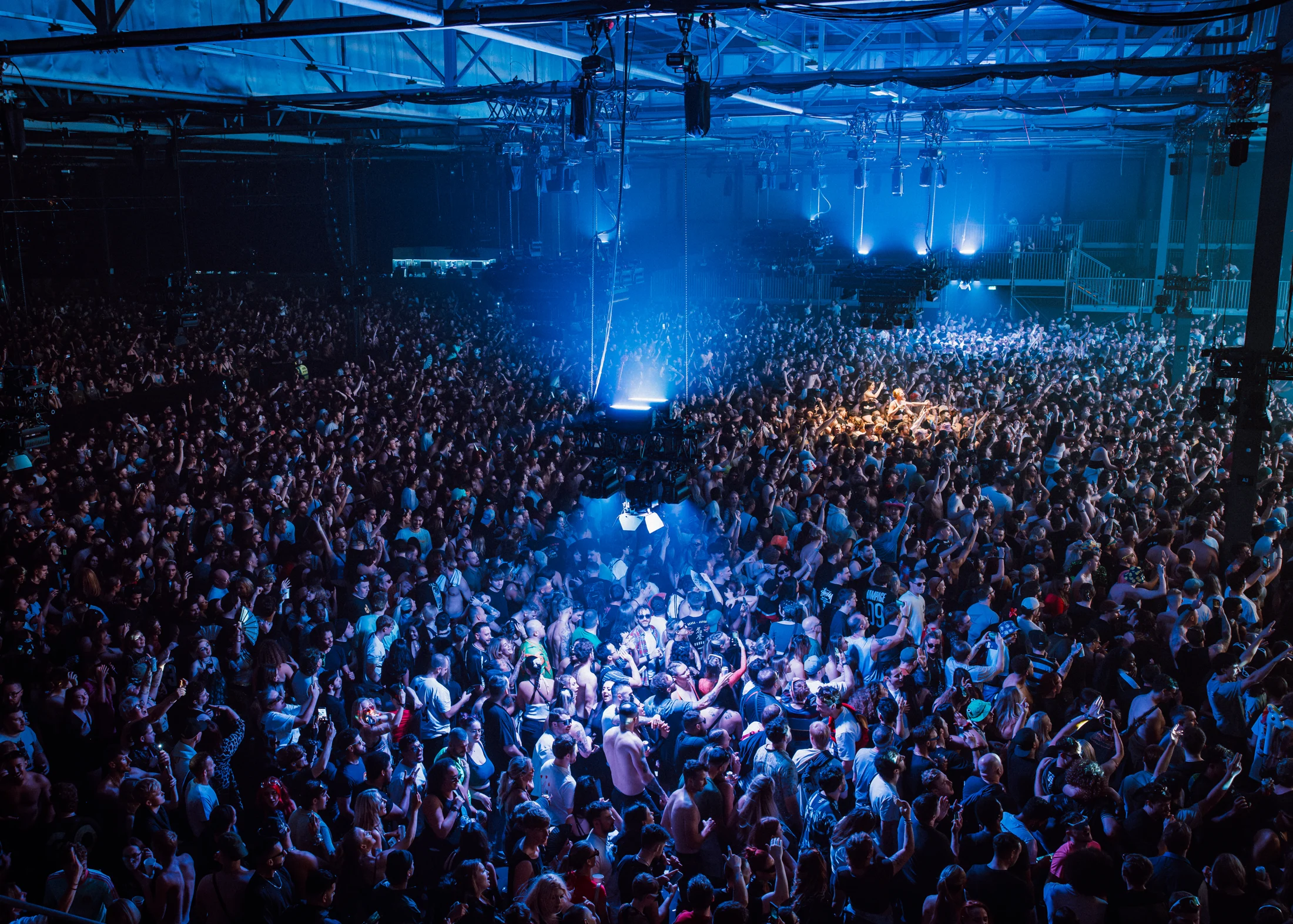
For our team, the significance was in seeing AI-led imagery become a live environment. These were images made to accompany music in a room full of people, with light, movement and physical scale changing how every frame was experienced. Our account of the night puts the audience at more than 10,000 people.
Wilkinson’s official show announcement confirms the date and the three-room Drumsheds takeover. The project presented here focuses on our visual work for his headline performance. Explore Out of Control for Wilkinson to watch the artwork, source films and edited footage from the show.
The single artwork set the tone
Out of Control’s artwork is a moving image: a reflective, almost metallic shell containing an orange, luminous centre. It alternates between a recognisable object in darkness and close views where the surface becomes harder to read. Heat and polished material sit together, giving the image a sense of pressure from within.
That artwork opens the project page and its preview. It also gives a useful introduction to the wider collection: tactile, unstable and willing to move between something familiar and something abstract.
The wider brief went beyond a single release image. We created the full visual collection for the headline show, developing a variety of imagery rather than extending one motif across every moment.
Abstract and gritty, with room for contrast
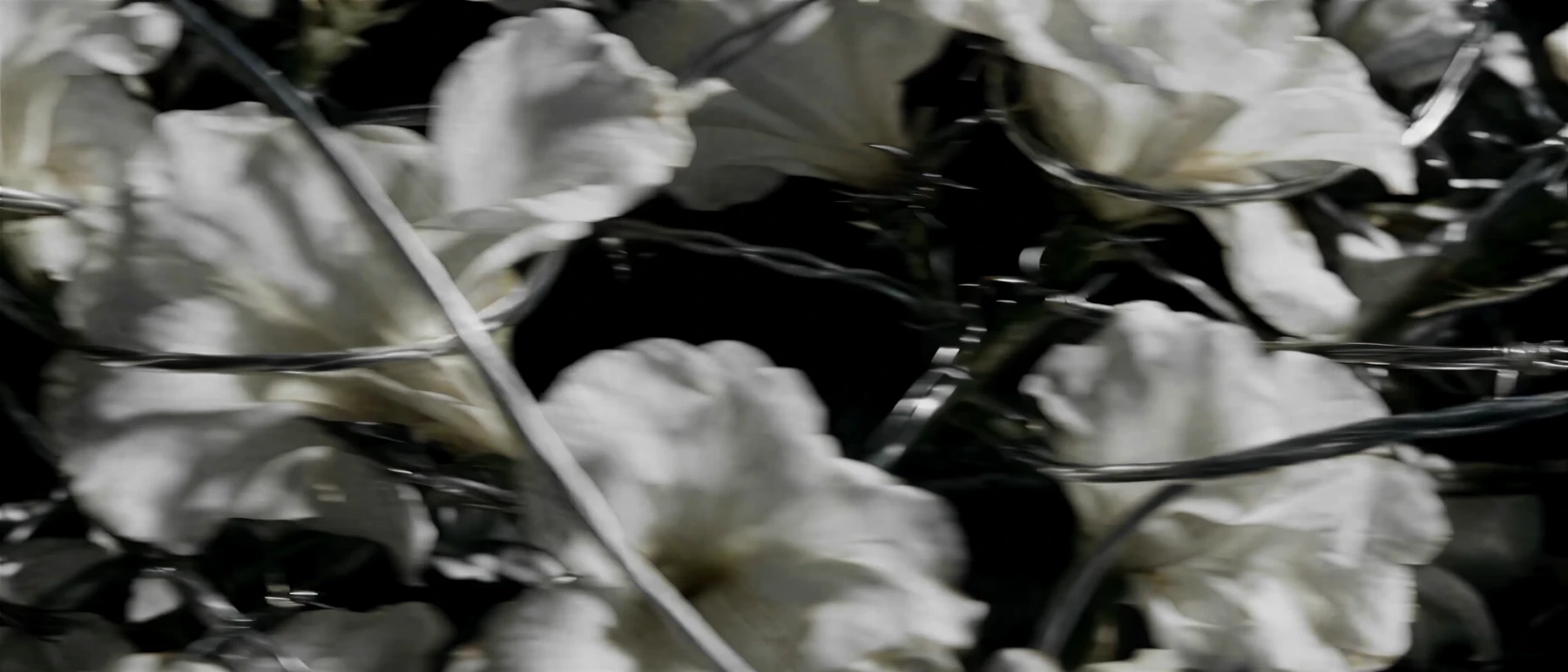
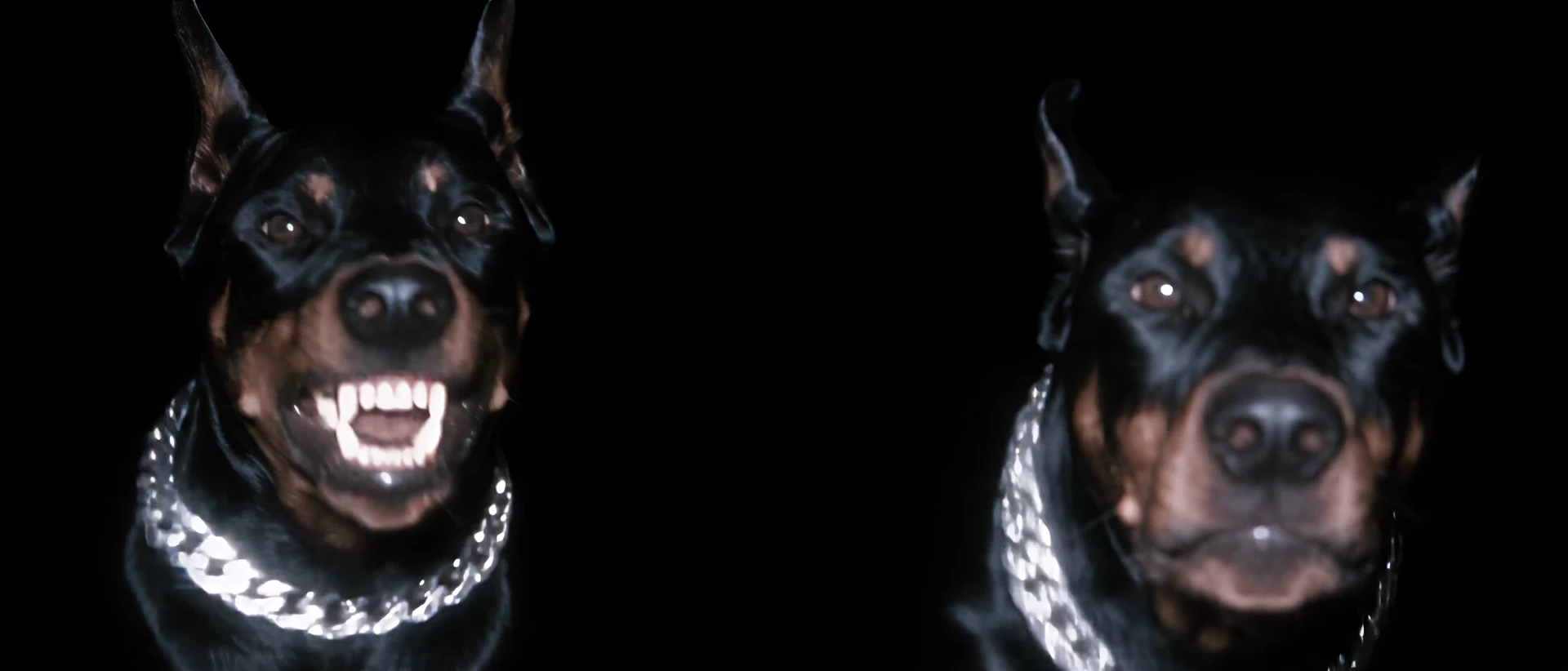
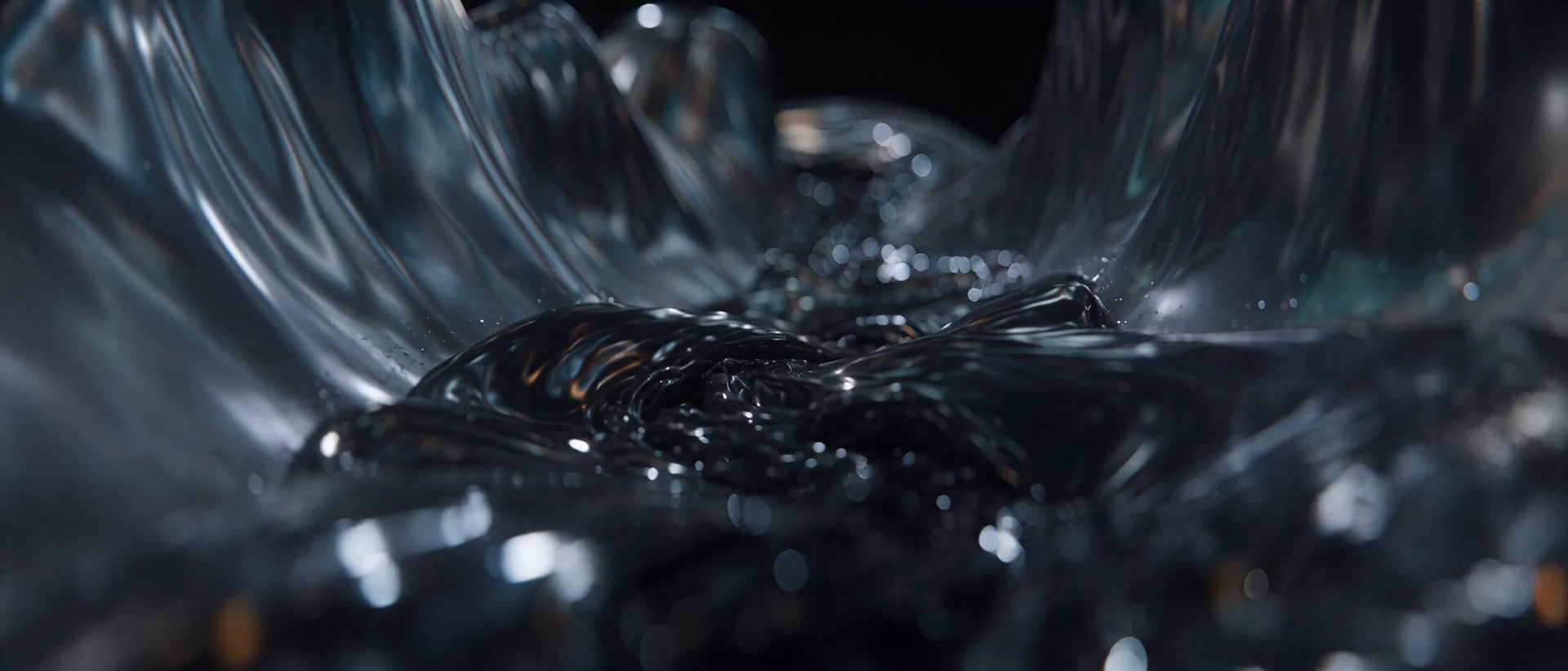
The films move through black reflective liquid, green metallic figures, flowers caught in wire, dogs wearing chains and motorcycle imagery treated in thermal tones. Some sequences offer a strong subject. Others dissolve into colour, texture and movement.
Those contrasts matter when a collection is experienced over the course of a show. The flowers bring fragility; the wire interrupts it. The dogs bring a recognisable physical threat. Liquid surfaces and thermal treatments make familiar materials or movement feel less certain. The result is varied, but connected by tension and a deliberately gritty sensibility.
AI was part of the image-making process, with creative direction holding the collection together. The meaningful result is the body of work: a single identity and a set of moving worlds capable of changing the feel of the stage. The project page moves between original films and live footage, showing the imagery in full and then at the scale of the room.
4K imagery for an unusually wide screen
The production brief called for AI-designed visuals at 4K resolution for Room X. Our supplied production specification was a 5,000 × 400-pixel screen canvas: a 12.5:1 shape. Source resolution and the mapped stage canvas describe different things. A high-resolution source is the material; the stage format determines how that material fills the room.
That distinction is visible in the media on this page. The original visual files supplied for this story are 4,400 × 1,886 pixels. The edited live films use a 4:3 frame. Neither should be mistaken for a pixel map of the complete stage screen. The films here are presented at a larger viewing scale, with crops adapted to each layout.
Published descriptions of Drumsheds have documented the scale of its screen. In a 2024 interview with Boxcat and Más Tiempo, EDM Identity described it as 48 metres wide and four metres tall. That provides context for the room’s physical scale; it does not independently verify the pixel specification used for our 2026 show.
A canvas this wide changes the composition problem. A detail that reads clearly on a laptop may occupy only a small part of the audience’s view. The source-to-stage comparison is a useful way to see what changes when a film becomes part of a live setting.
Decompression: from a figure to an environment
Decompression gives one of the clearest connections between the original imagery and the performance. The green metallic figure in the source film reappears in the live material. Its reflective surface belongs to the film; the green wash across the room, the lasers and the silhouettes belong to the show around it.
On the project’s Decompression comparison, a slider reveals the source visual against its stage setting. It compares two excerpts from the same visual world, rather than presenting a frame-perfect before-and-after. The distinction keeps the live context visible: the show footage is also a record of light, atmosphere and the audience.
From inside the room, the screen sits beside people, roof structures and the stage. The phone footage brings us closer to the atmosphere of the night.
A full visual collection in under a month
The scope included the single artwork and all of the stage visuals for Wilkinson’s headline performance. We delivered the visual collection in just under one month. The range of imagery matters as much as that turnaround: this was a collection of distinct films and treatments, not a single loop presented as a complete show.
The show date gave the work a concrete destination. By the time those files reached the screen, their role was to support the energy of the performance and hold their own at the scale of Room X. The live edits, original films and phone footage give three different views of that outcome.
AI imagery, at the scale of Room X
This was a breakthrough for Nightwolf: AI-designed imagery made to hold its detail, atmosphere and impact across Room X’s extraordinary screen. The ambition was to create visuals that felt convincing at that scale, with the audience immersed in the world of the show. The work combined 4K source imagery, a 5,000 × 400-pixel production canvas and a complete visual collection delivered in under a month.
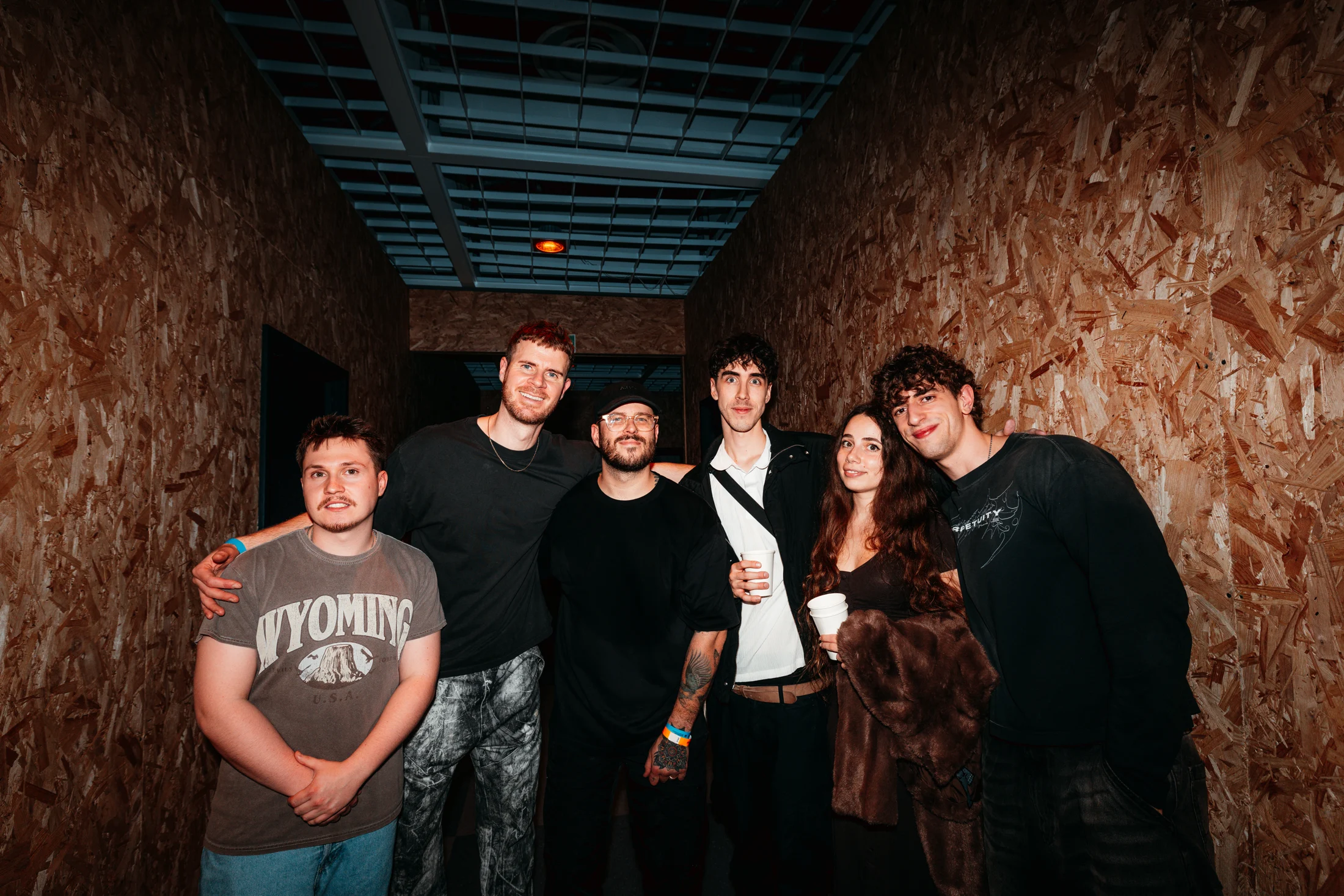
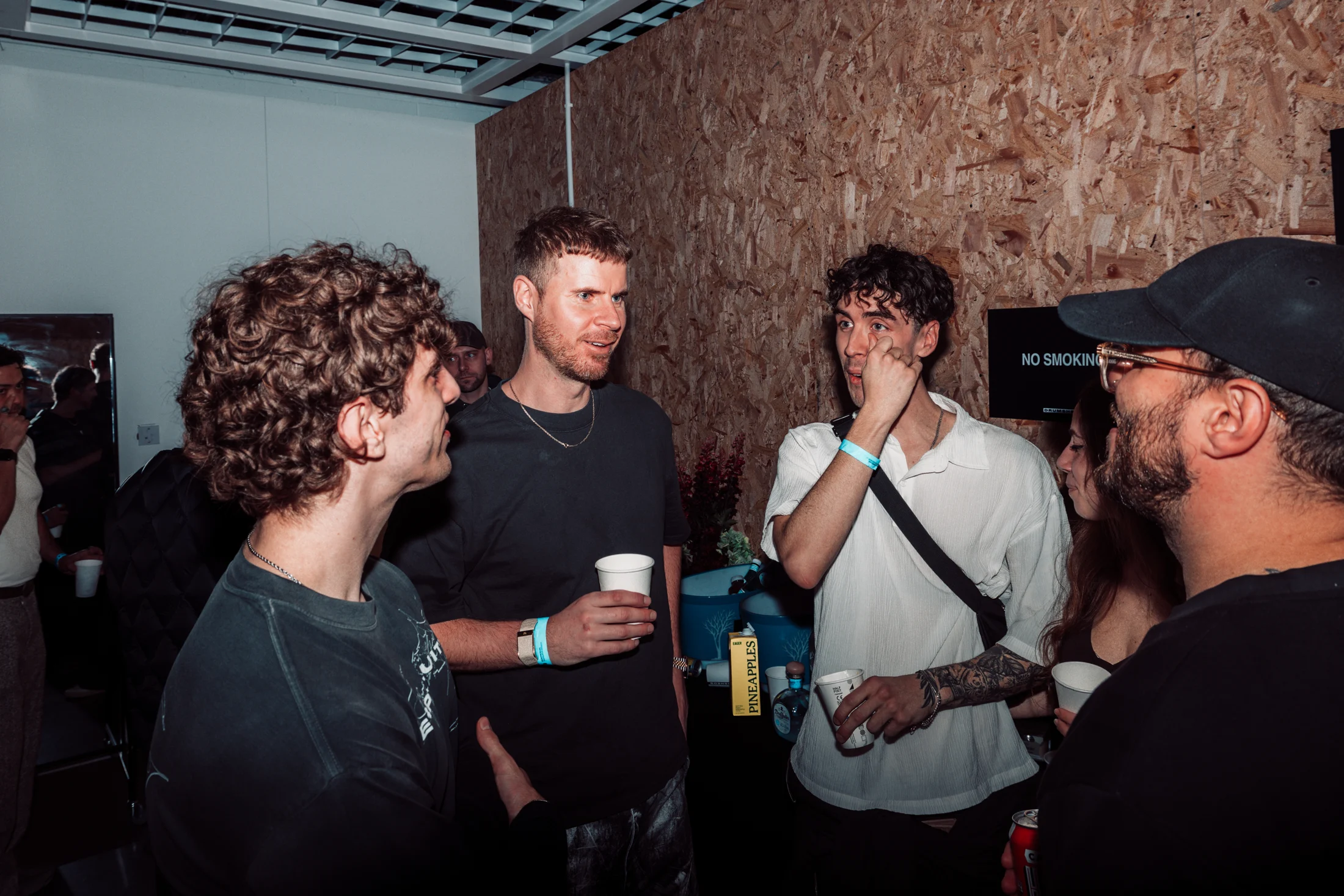
The astonishing part is seeing the images become part of the room: metallic surfaces stretching across the stage, blue portraits towering above the crowd, and abstract worlds moving with the performance. For our team, this set a new benchmark for what AI-led visuals could look and feel like in a live show. The original films and the footage from Drumsheds put that achievement on view.
The lesson carries into other moving-image projects: decide where an image will live, then judge it in that context. For more on those production decisions, read our notes on adapting a campaign film and when to upscale AI images.
See the complete Out of Control project for Wilkinson, explore our AI film and commercial work, or talk to Nightwolf about a visual world for your next project.
Production scope, turnaround, audience estimate and the 5,000 × 400-pixel canvas are from Nightwolf’s account of the project. Public sources linked above establish the event date and historical screen context. Photographs and films supplied by the Nightwolf team.