A believable action needs an intention, a readable change and a useful ending.
1. Describe an action that has a reason.
Believable human movement starts with a clear performance brief. “Make it natural” describes an aspiration, but it does not tell a production team what the person notices, why they move or where the action finishes. A useful brief names the action, its intention, the visible body area and the moment the edit needs.
Begin with an ordinary verb: look, turn, reach, pause, step or settle. Then describe the reason. A person turns because someone has arrived; a hand moves because the person is adjusting a sleeve. This gives the movement a purpose without requiring a complicated sequence. The performance can be restrained, heightened or deliberately stylised, provided that choice is explicit.
Keep emotional direction separate from physical instructions. “Confident” might mean a steady gaze, an unhurried pause or a decisive change of posture. It does not always mean a large gesture. Agree the observable behaviour that communicates the intended feeling. Otherwise one reviewer may ask for less movement while another asks for more personality, and both may be responding to the same vague brief.
For a campaign buyer, the first question is therefore simple: what must the audience understand from this action? If the answer is that a jacket is comfortable, a modest shoulder movement may be more useful than a dramatic turn that hides the garment. If the message depends on a recognisable athletic technique, the actual technique becomes a production requirement.
2. Define the opening, the change and the ending.
A pose is not a performance. A still can establish the character, wardrobe and composition, but it cannot prove how the person moves between positions. Ask for an opening state, one main change and an ending that can be used in the edit. Include a short settled moment where the audience needs time to read the expression or product.
Write body movement and camera movement on separate lines. A subject turning while the camera also travels can make a result harder to assess: is the pose changing, or is the viewpoint changing? Both can be intentional, but they should not be left ambiguous. The camera movement guide covers the latter decision.
| Brief element | Specify | Review |
|---|---|---|
| Opening | Where the person looks; visible hands; starting posture. | The first usable frame communicates the intended state. |
| Main action | One observable movement and its motivation. | The action reads at normal playback speed. |
| Pace | A restrained turn, a held pause or another concrete rhythm. | The pace suits the message and available edit duration. |
| Ending | Final gaze, posture and required settled moment. | The action resolves rather than cutting off accidentally. |
| Camera | Fixed viewpoint or a separately described move. | Subject performance is distinguishable from camera motion. |
These fields are approval criteria, not a guarantee that writing a timeline makes a model obey every beat. If exact timing matters, say so before the method is chosen. A useful result that arrives a second later may still be unsuitable for a fixed voiceover or edit.
3. Ask what actually controls the performance.
Different production routes use references differently. A text-directed generation interprets a description. A reference-driven video workflow uses a recorded movement as an input. A 3D animation workflow can use captured performance and additional animation work. Before comparing quotes or demonstrations, ask which route is proposed and what can be revised after a first result.
Runway’s Act-Two documentation makes an important input distinction. With a character image, its gesture setting can transfer body and hand movement from a driving performance. With a character video, gesture control is unavailable: body movement comes from that video, while Act-Two handles facial movement and expression. Runway also recommends a single visible performer, continuous footage, framing no wider than waist-up and hands in frame at the start when using gestures. These are vendor guidelines for that workflow, not universal requirements for every animation system. Source: Runway Act-Two guide.
Higgsfield’s Kling 3.0 Motion Control Pro API describes an image animated from a supplied motion video, with character orientation selectable from the image or video. That establishes the input and control options documented by the provider; it does not establish perfect transfer of anatomy, clothing or object interaction. Ask to see a relevant candidate before treating those details as solved. Source: Higgsfield API documentation.
Traditional performance-led production provides another useful comparison. Mimic’s published project listing describes its contribution to a Nike Air Max Dn8 campaign with NEWFORMAT as a digital double, full-body motion capture and animation, including motion editing. This is a supplier’s project account, not evidence of an image-to-video workflow or a Nightwolf commission. The briefing lesson is to ask where performance capture ends and refinement begins. Source: Mimic Sports.
Do not choose a route solely because its demonstration looks polished. A talking portrait, a full-body walk and an exact product-handling shot ask different questions. Request evidence that resembles the framing, movement and contact relationships your shot actually requires.
4. Supply a reference that answers the right question.
Separate appearance references from performance references. A fashion photograph can explain silhouette and mood. A short recorded take can explain timing, gaze and gesture. Label what each reference is for, so a team does not copy the background of a timing reference or assume the wardrobe in it is approved.
For the performance, choose a clearly readable take with the relevant body area visible. If the brief depends on both hands, keep them available for assessment. If it depends on foot contact, a tight portrait cannot answer that question. Match the capture to the chosen workflow rather than assuming one reference clip is suitable for every model.
Record a restrained take and a more expressive take when the creative decision genuinely needs both. Name the files accordingly and identify the preferred one. Avoid handing over a long reel with several unrelated actions and expecting the production team to infer which seconds matter. Supply the exact interval and a sentence explaining why it was chosen.
Also identify the parts of the appearance that must remain stable: garment construction, hairstyle, accessories or a particular silhouette. These are separate checks from whether the movement feels right. A convincing gesture does not make an altered product acceptable. See when to retain real product photography if exact construction is central to the shot.
5. Turn a mood note into a usable brief.
FICTIONAL BRIEF / NOT AN EXECUTED TEST
Imagine an invented clothing label, Alder Passage, requesting a short waist-up portrait for a jacket launch. The person should notice something just off camera, turn their gaze and settle into a relaxed expression. This is an illustrative planning example, not a real client, generated result or claim about Nightwolf’s production history.
The weak version is: “A natural, confident person wearing the jacket, cinematic movement.” It combines mood, appearance and motion without defining any of them. The revised version gives the action a beginning and a purpose: “Start with the person looking slightly to camera left. They notice someone just beside the lens, turn their gaze towards that point and settle. Keep the torso mostly facing forward so the jacket remains readable. The camera stays fixed.”
Add the edit requirement separately: “Allow a short settled opening and a clear ending after the gaze arrives. Supply a candidate long enough to judge the complete action.” Exact durations should be agreed with the edit and the available workflow; this example does not claim a tested prompt or frame-accurate control.
The reference pack would contain the approved jacket appearance, one selected performance take, the intended crop and a review note identifying the required gaze direction. The first candidate answers whether the action reads and whether the garment stays intact. Only after that decision would it make sense to compare a larger expression or different pace.
| Brief element | Specify | Review |
|---|---|---|
| Intention | Notice a person beside the lens. | Gaze direction makes the reaction understandable. |
| Performance | Small gaze change with a relaxed ending. | No unrelated repeated head or hand gestures. |
| Wardrobe | Retain the approved jacket construction. | Collar, closures and silhouette remain identifiable. |
| Edit | Opening and ending that can be held briefly. | The useful interval includes the complete action. |
If the result only works after removing the turn, it may still be a usable portrait, but it is a changed deliverable. Make that decision explicitly. Do not approve a different action merely because the final frame is attractive.
6. Review intention, continuity and contact separately.
Watch the candidate at normal speed first. Can you understand the intended action without an explanation? Does the pause feel deliberate? Does the character look towards the intended point? Then inspect the moments that distracted you. Frame inspection helps locate a problem; it should not replace judging the performance as a whole.
Separate three kinds of note. A direction note changes the acting: the reaction is too large or arrives too soon. A continuity note identifies an unwanted change in identity, anatomy or wardrobe. A contact note concerns a relationship with another surface or object: a hand leaves a sleeve unexpectedly, or a supporting arm appears to slide. Each may require a different correction.
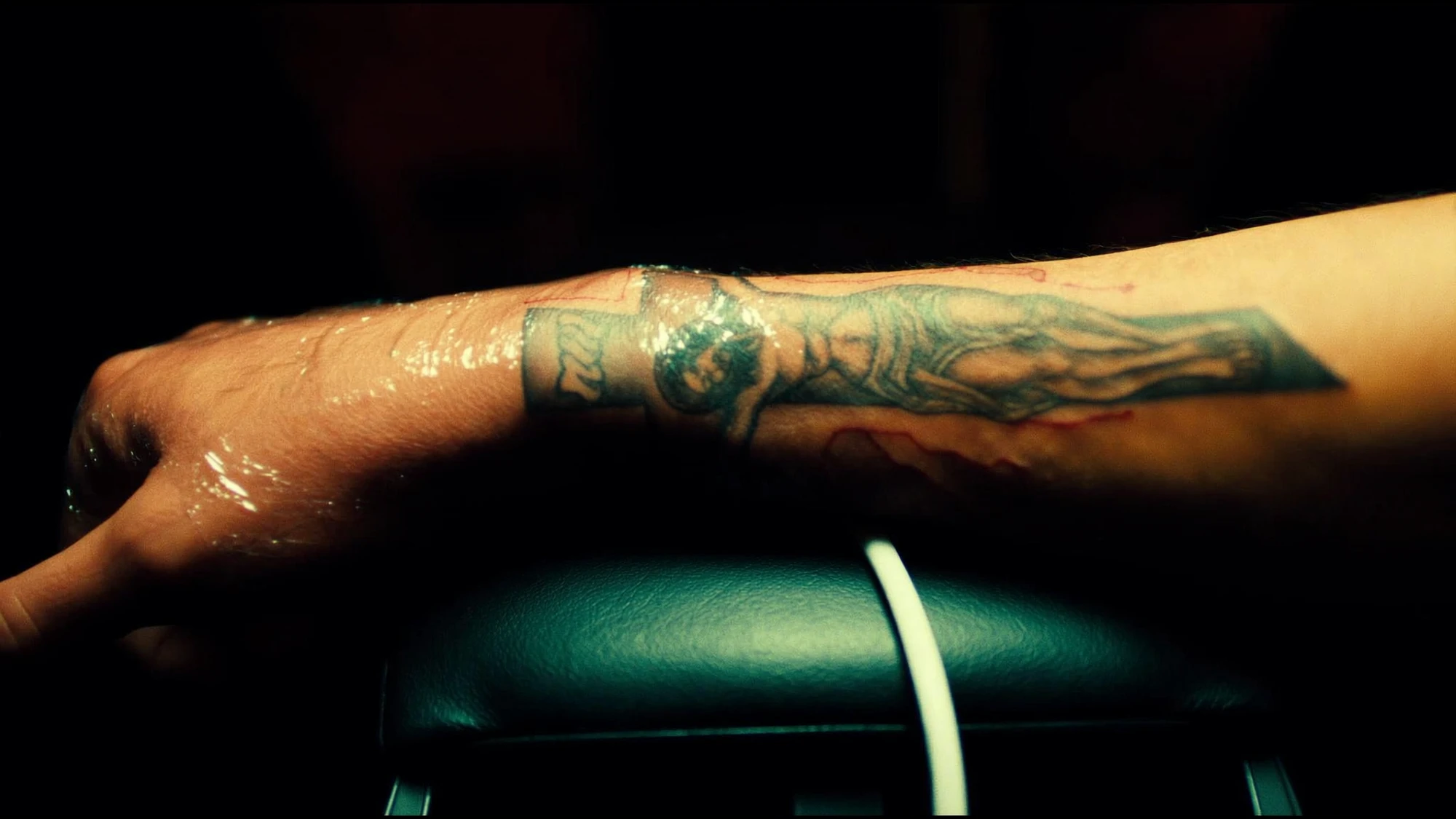
An actionable note might read: “The gaze arrives at the intended point, but the collar changes shape during the turn. Keep the selected performance; assess whether the garment can be corrected through that interval.” Another might be: “The jacket is stable, but the person keeps nodding after the intended reaction. Compare a performance with a clearer settled ending.” These notes avoid treating every problem as a request for another random variation.
Before approval, check the delivered crop and export, not only a generation preview. Confirm that the full useful action remains visible, that any agreed finishing has not hidden a product change, and that the selected version is unambiguous. Keep the reference take, inputs, known model and settings, output version and approval notes together. The revision brief guide explains how to turn those observations into a bounded next step.
A strong movement brief gives the team something concrete to deliver and the buyer something concrete to judge. Define the intention, show an appropriate reference and agree the conditions under which the shot is useful. Believability then becomes a reviewable production question rather than a vague instruction to make the image feel more human.
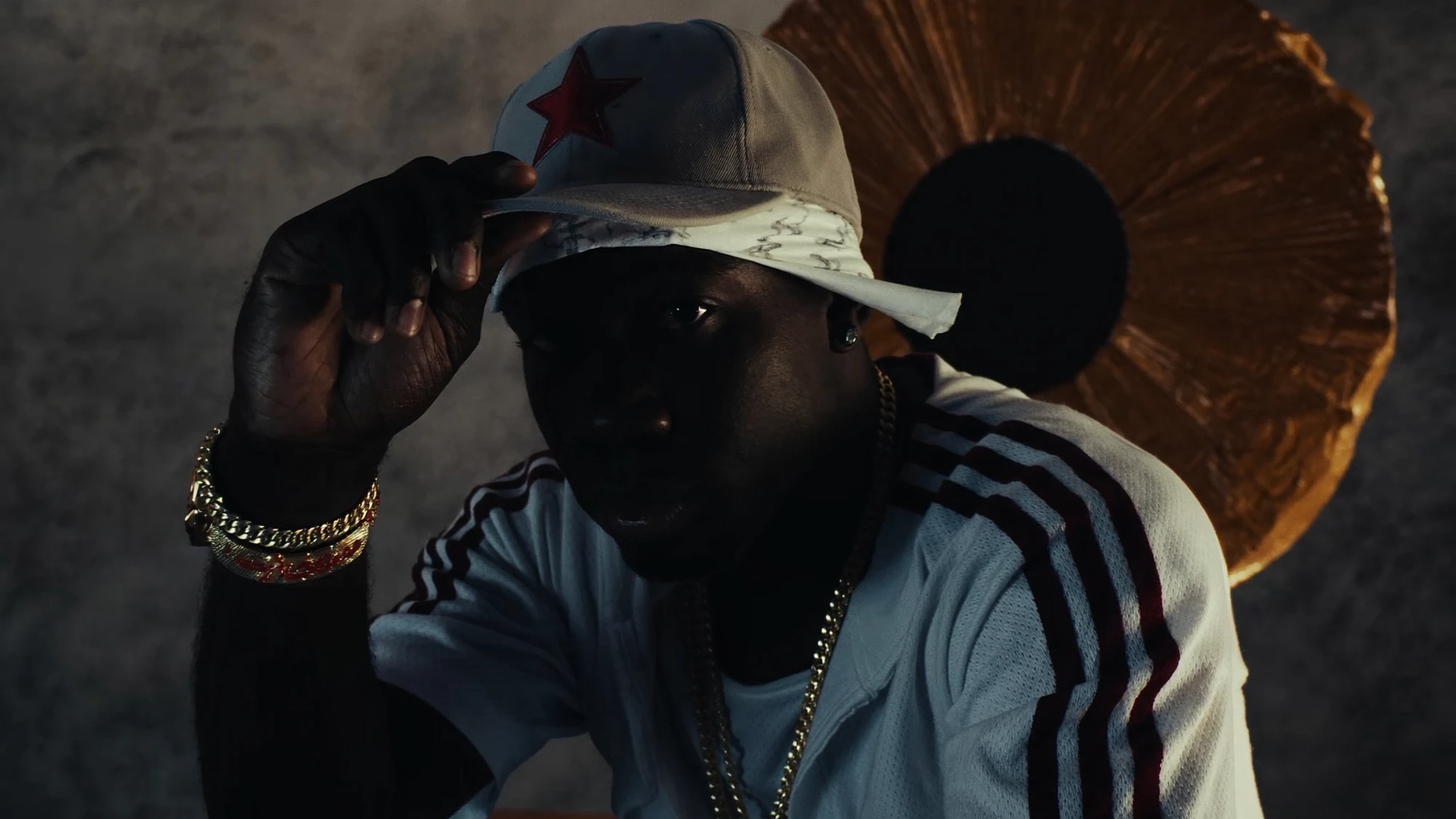
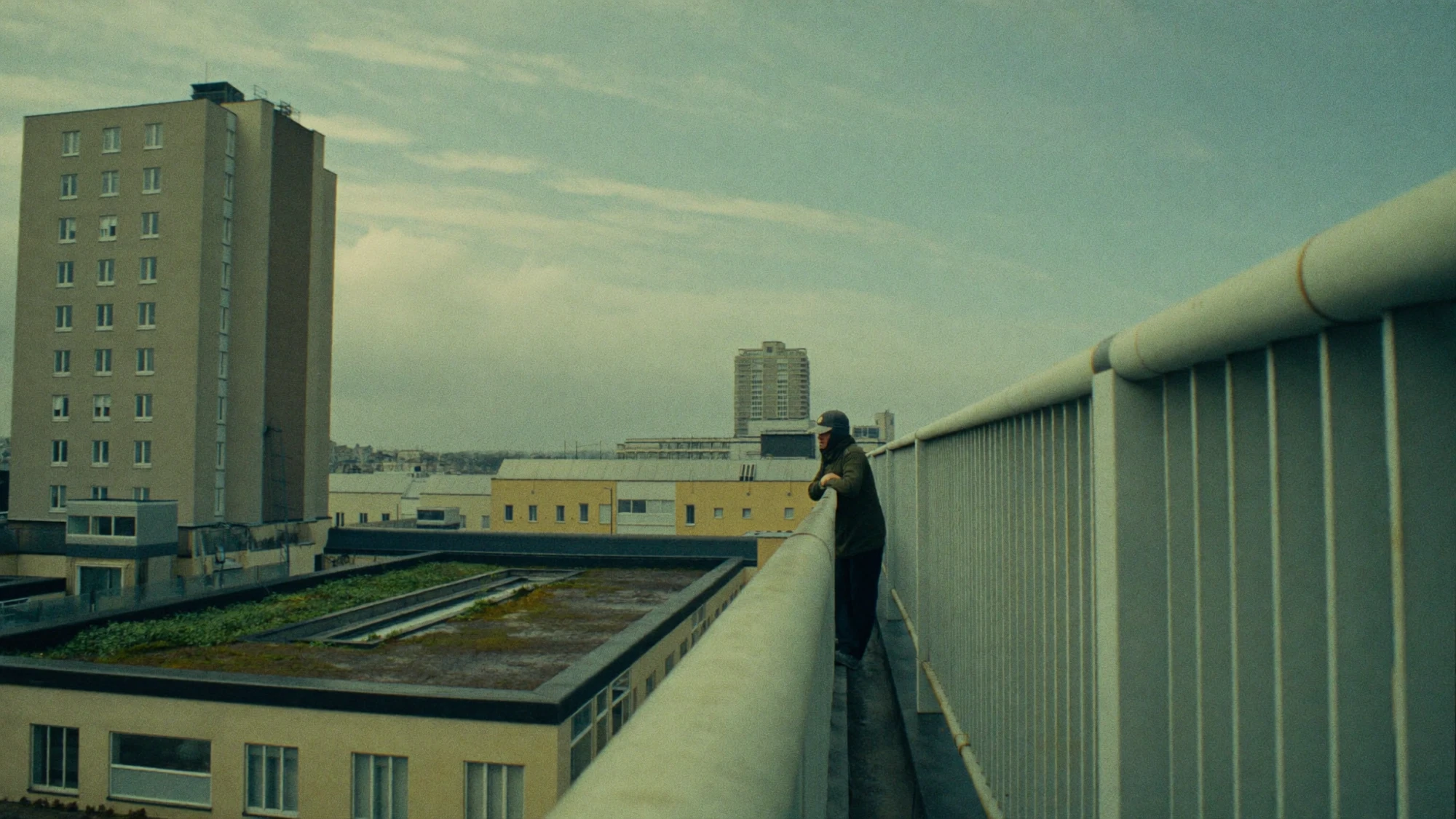
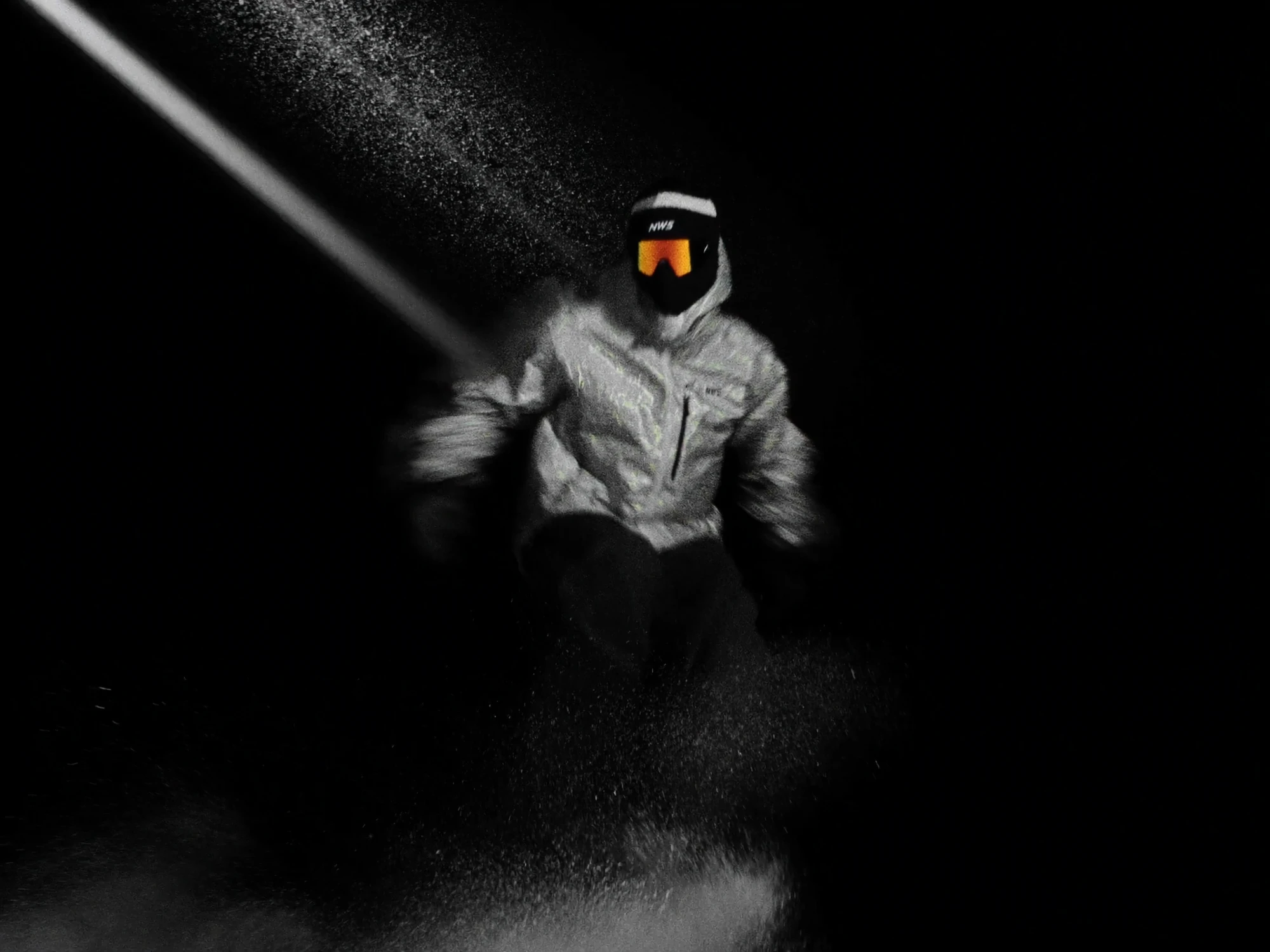
Sources checked 28 October 2026. Tool capabilities are attributed to vendor documentation and are not independent performance benchmarks. The Mimic example is its published supplier account. Alder Passage is fictional and no test was executed. Explore images are separate visual references, not a shared campaign or before-and-after sequence.
DELIVER WITH INTENTION
A clear intention.
A believable action.
Bring the message, the performance reference and the details that must stay accurate.
Discuss your project ↗