
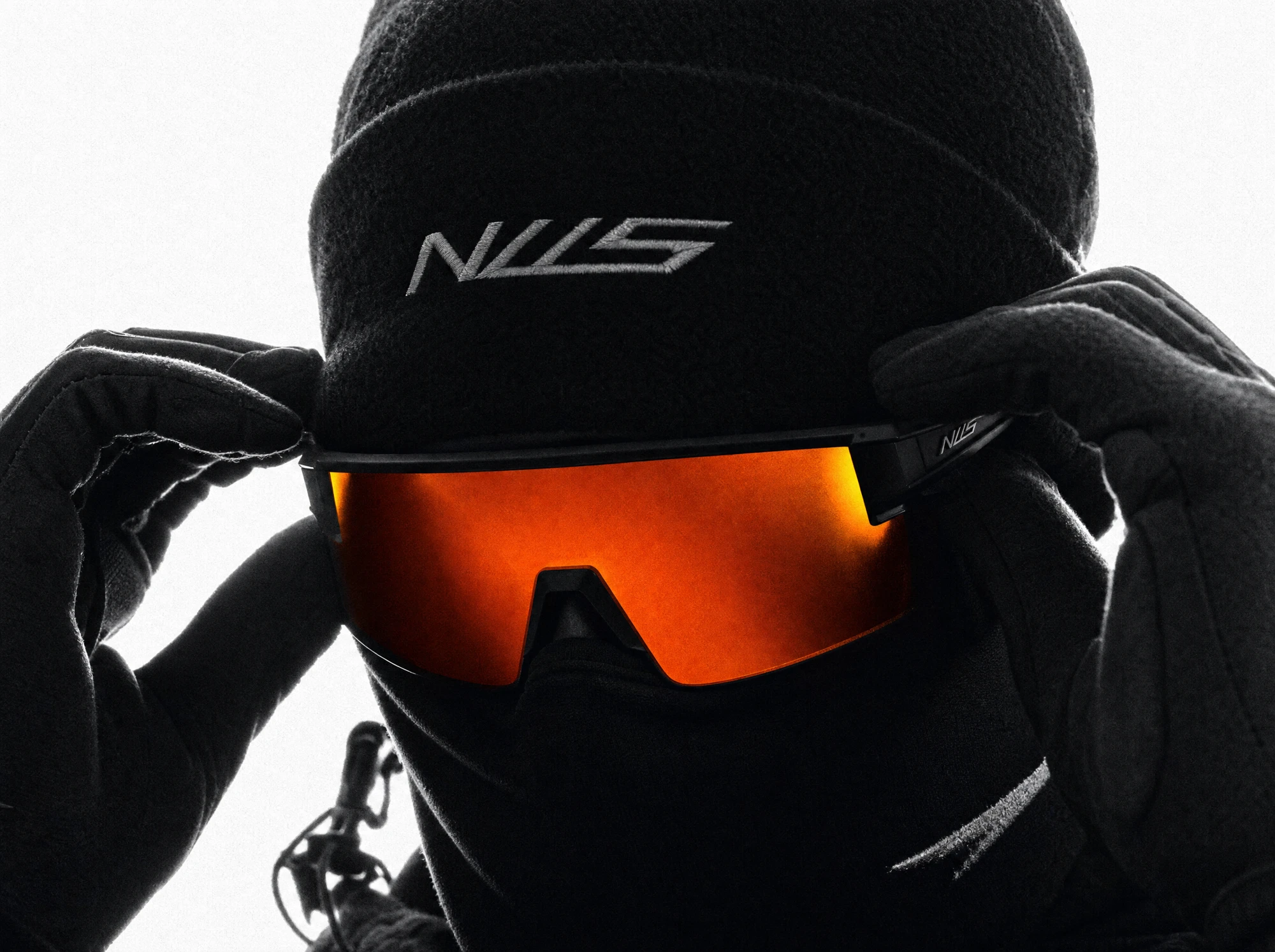
Choose a production method by asking what each shot must prove, which details need control and how the work will be revised. A campaign can use photography, live action, generative imagery and 3D for different jobs within the same idea.
1. Ask what the image has to prove.
A production brief can ask for three very different things: evidence, explanation or an imagined world. Evidence shows something that actually happened or a product that exists. Explanation makes a feature or relationship understandable. An imagined world creates atmosphere, surprise or a visual metaphor. A campaign may need all three, but they do not have to use the same production method.
If the audience needs to see a real person demonstrate a real product, begin by considering a shoot. If the image must explain internal construction or follow a precisely defined camera path around an object, consider a controlled 3D approach. If the task is to explore a world that does not exist, generative imagery may be a useful route to test. These are starting questions, not universal rules.
Our recommendation for commissioning work is to separate the creative ambition from the proof requirement. “Make the product feel extraordinary” leaves room for invention. “Show exactly how its latch opens” establishes a specific obligation. Put both in the brief, then decide which elements need controlled source material.
PRACTICAL DECISION
Write one sentence for each shot.
Use this format: “The viewer must understand this, and these details must remain unchanged.” If the sentence has several unrelated jobs, split the shot before choosing a production method.
2. Compare methods against the actual requirement.
The useful comparison is between production plans for the same deliverable. A generated concept frame, a finished commercial shot and an editable 3D scene are different outputs. Comparing their initial creation times does not tell you what it takes to approve and deliver the campaign.
| Requirement | Route to consider | Question before committing |
|---|---|---|
| A real person, event or unscripted response | Photography or live action | Does the audience need an authentic record of this person or moment? |
| Exact product shape across multiple angles | Approved photography or a validated 3D asset | Which dimensions, surfaces and markings must match? |
| An imagined setting or visual metaphor | Generative imagery, 3D or a combination | What can be interpreted freely, and what remains fixed? |
| A repeatable camera path or mechanical sequence | 3D or controlled live action | Does the timing or geometry need to be revised precisely? |
| A real product in an invented environment | A hybrid composition | How will perspective, lighting and contact be matched? |
| Many variants of a finished idea | The method with a clear revision plan | Can the required change be isolated without rebuilding the whole image? |
This matrix is an editorial planning framework. It does not rank tools or predict a project's price. The appropriate route changes with the available assets, the complexity of the action and the standard required at delivery.
3. Protect the parts the audience will inspect.
For a real product, define accuracy in concrete terms. Identify the silhouette, dimensions, surface, construction and typography that matter. A convincing overall impression is different from a correct product representation. A small change can be important when the purpose of the shot is to explain that exact feature.
Higgsfield's product-photography page says small details can vary and recommends checking each result; it also suggests supplying multiple angles. That is a vendor-stated limitation, and a useful reason to make review criteria explicit before generation. Source: Higgsfield product-photography guidance.
A practical response is to divide the frame into controlled and flexible elements. The product might use approved photography or a validated model, while atmosphere and surroundings can be explored more freely. If the product itself is generated, decide how the reviewer will compare it with the source and which errors require a different method.
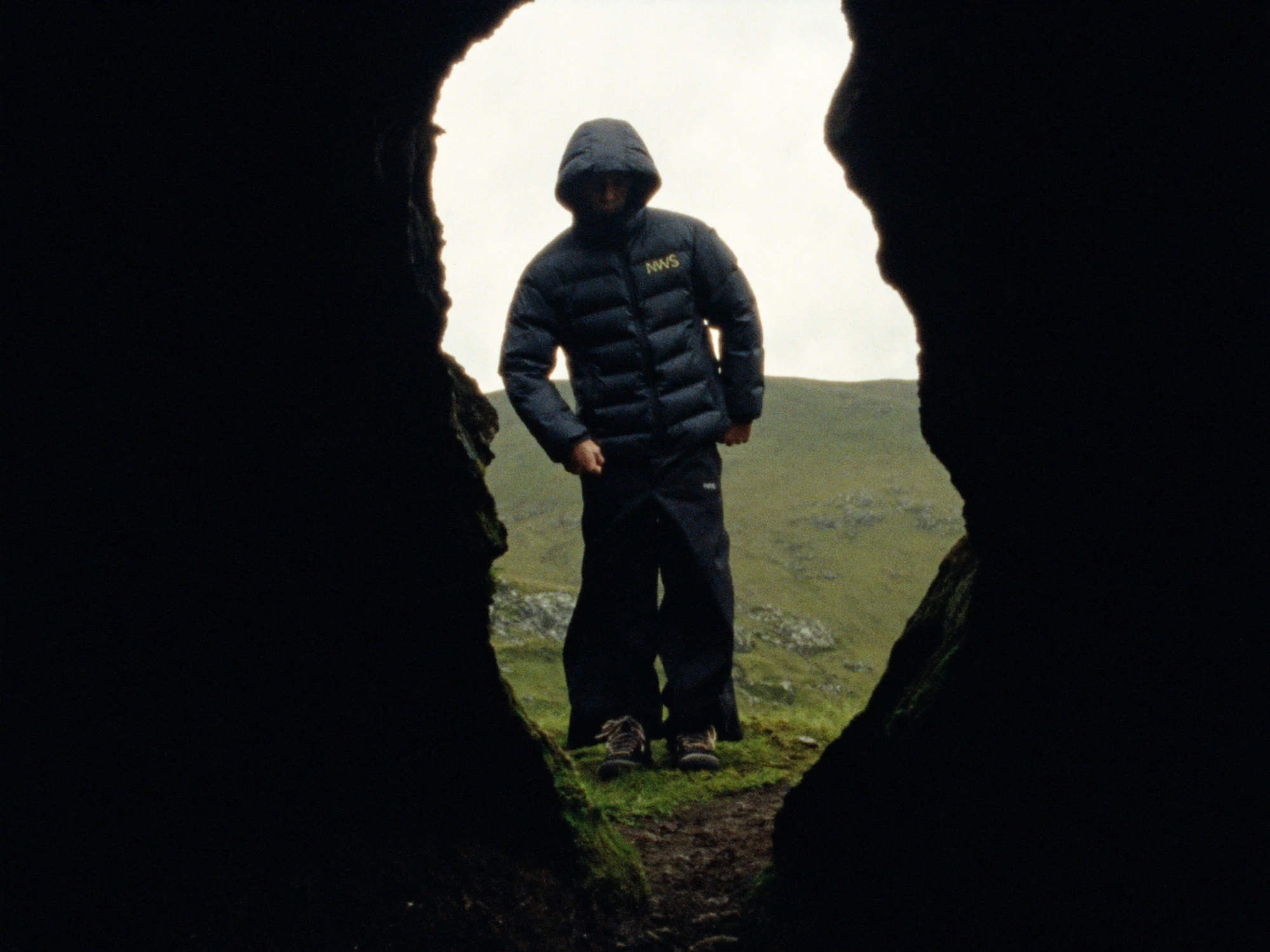
Do not assume a single photograph contains every answer. An unseen side, a hidden fastening or an unknown material still needs a decision. Request the missing reference, simplify the view or make the interpretation explicit rather than presenting an invented detail as confirmed.
4. Treat movement as a separate production decision.
A still can establish a direction without proving that the same scene will work in motion. A close-up might look convincing while a turn reveals an uncertain profile. A hand can rest naturally on an object while a longer interaction demands clear contact and a repeatable sequence of actions.
Runway's image-to-video guide explains that the input image supplies the starting composition and appearance, while the prompt describes movement. It warns that existing visual artifacts can intensify in video and gives an example where motion cues in a car image conflict with a request for a stationary car. These are documented workflow considerations, not a Nightwolf benchmark. Source: Runway image-to-video guide.
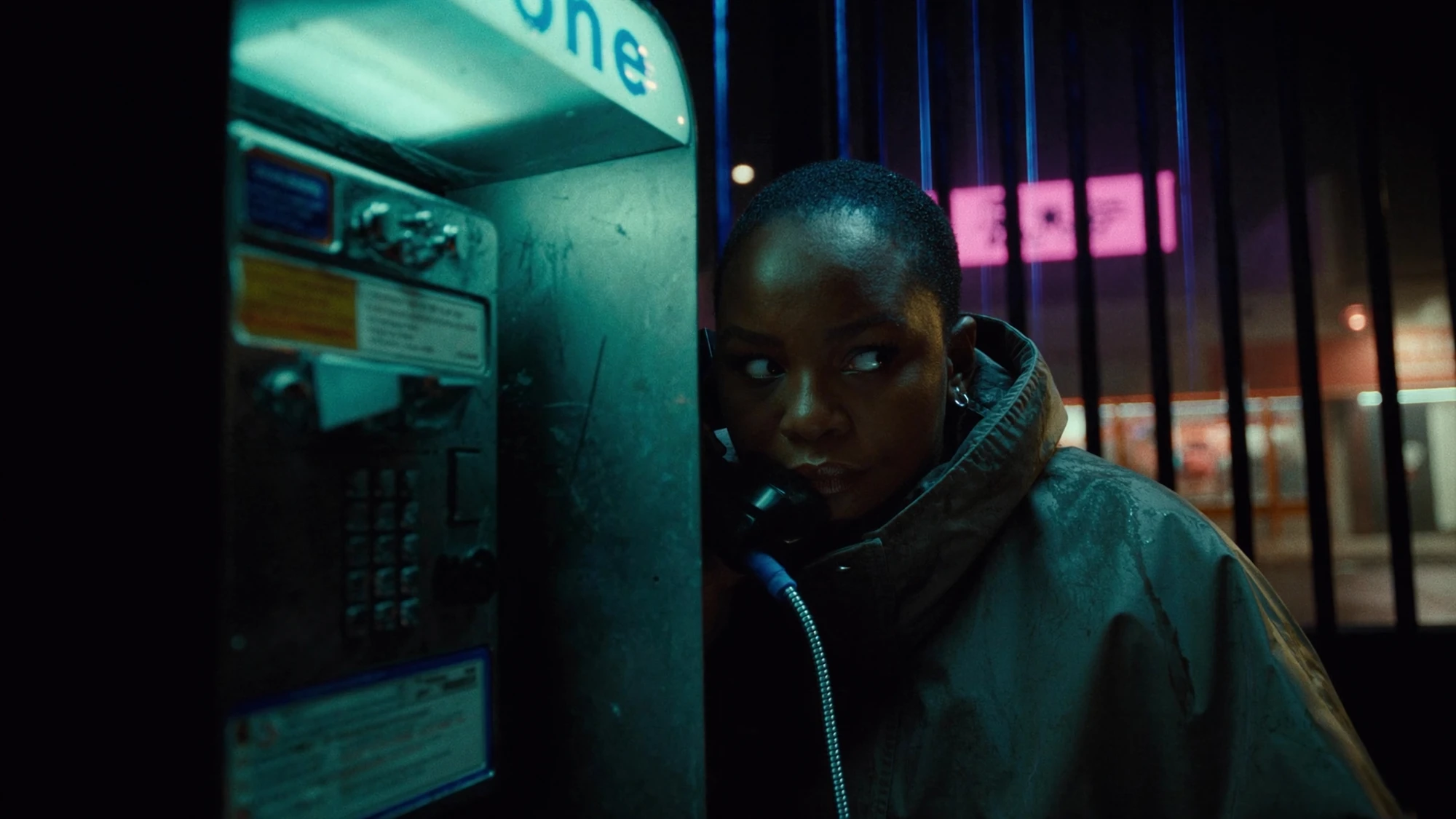
For a tightly scripted performance, ask which expressions, timing and interactions are essential. A filmed performance offers a directed source to work from; an animated or generated performance needs its own evidence that those requirements can be met. Choose a representative difficult moment for evaluation before expanding the sequence.
PRACTICAL DECISION
Test the hardest requirement, not the easiest frame.
If the brief depends on a product being opened, test the opening action. If it depends on a character's subtle response, test that response. An attractive establishing shot does not answer either question.
5. Combine methods when their responsibilities are clear.
A hybrid production works best when each method has a defined job. Photography can supply an approved subject, 3D can control an object or camera relationship, generation can propose an environment, and compositing can bring the elements together. The handover between them deserves as much planning as the individual stages.
A published German example from Sauer Marketing describes mannequin photographs of FUCHS SCHMITT jackets, generated models and scenery, and manual correction using product detail references. It is the provider's account, not an independently audited result. The useful lesson for a buyer is the visible role of source capture and retouching within a project presented as AI production. Source: Sauer Marketing's hybrid photoshoot case study.
For a new brief, ask who owns the final composite. Matching an edge is only part of the work: the elements also need compatible perspective, light direction, reflection and contact. Agree when the combined image will be reviewed. Approving separate components without seeing them together can leave the most important decision until late in the schedule.
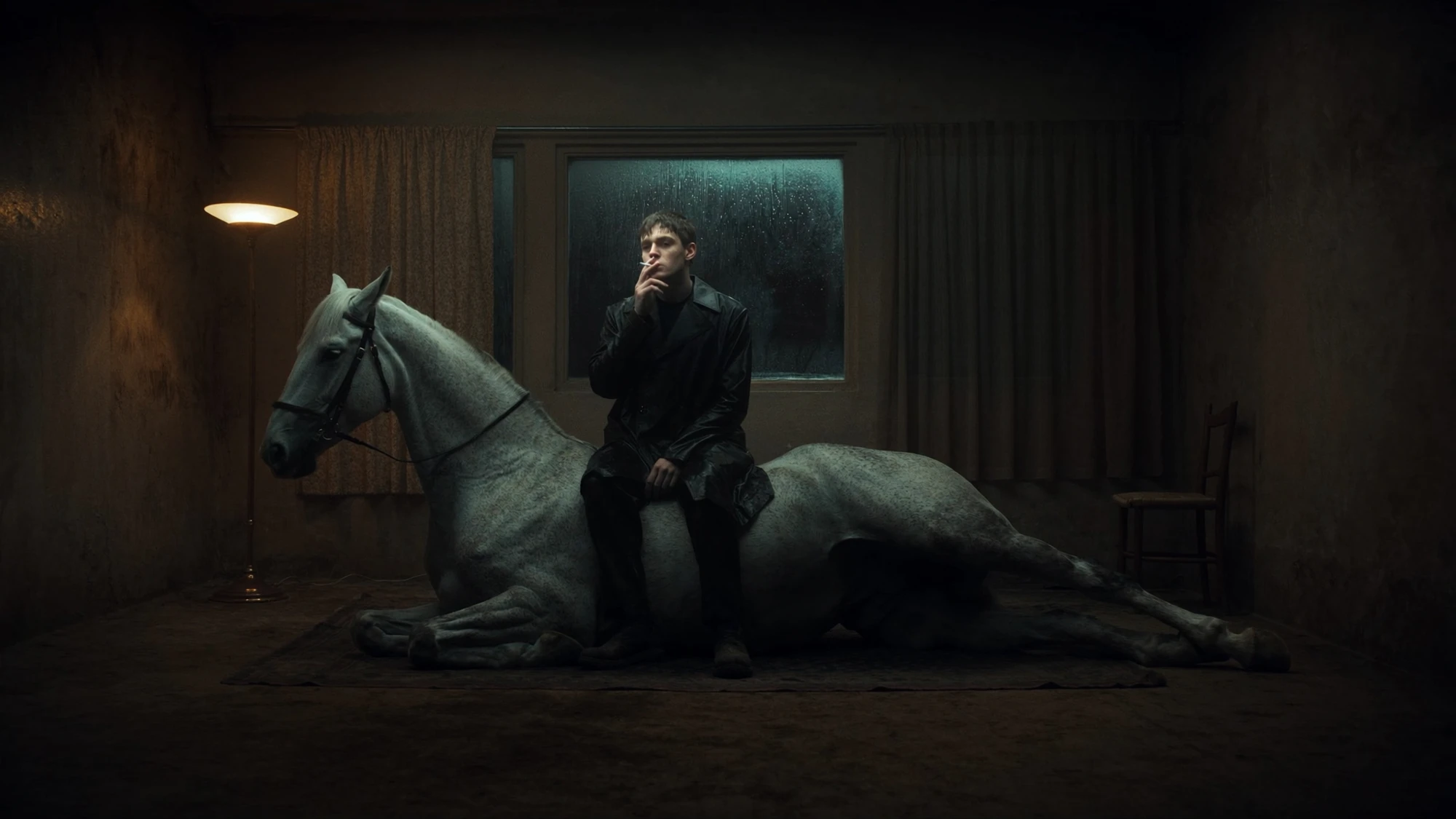
The idea does not become stronger simply because more techniques are involved. If a straightforward shoot can deliver the required image with fewer unresolved steps, include that option. If a constructed world is central to the concept, design the transitions between sources around it.
6. Work through a fictional product launch.
Imagine an unbranded desk lamp launch requiring a hero image, a short film showing its hinge and three background variants. This is a fictional scope exercise, not a commission or a production test. The lamp must retain its actual proportions and hinge design; the surrounding room can be imagined.
The first decision is what the hero image needs to communicate. If material finish is central, a photographed sample may provide the clearest starting reference. If the approved object already exists as a usable 3D model, a rendered route could support controlled viewpoints. A generated concept can help explore atmosphere, but it should not silently become the authority for the lamp's design.
| Deliverable | Proposed responsibility | Approval evidence |
|---|---|---|
| Hero image | Approved product source plus art-directed environment | Compare silhouette, finish and contact shadow |
| Hinge film | Filmed mechanism or validated 3D animation | Check the full motion against the real mechanism |
| Three room variants | Change environment while preserving approved product | Review integration and product identity in every version |
| Final exports | Finishing and layout adaptation | Check crops, copy space and agreed output requirements |
Suppose the hinge cannot be demonstrated reliably in the first proposed route. The response is to change that shot's method, not discard the entire campaign direction. Conversely, if the variants are only different wall colours, a controlled edit may be sufficient; generating a new room each time could introduce unnecessary changes.
The buyer's decision is now specific: which route gives an approvable lamp, understandable motion and manageable variations? That is a more useful conversation than whether the campaign should be “all AI”.
7. Compare the complete scope and revision path.
Ask for estimates that include preparation, source assets, selection, revisions, finishing and delivery. A low-cost first pass may still need substantial work before it matches the brief. A more involved asset build may be worthwhile if the same object needs repeated controlled views. Neither outcome can be assumed without knowing the project.
Ask what happens when the client changes one thing: a colour, a logo, a camera angle or a product feature. Can that change be isolated? Which approvals would need to reopen? What source material will remain available? These questions expose the practical differences between routes better than a broad claim about speed.
Dreamina's product-editing guide describes uploading a reference, selecting an area and prompting an edit, then reviewing the generated options. That is evidence of an editing workflow, not proof that any requested correction will preserve every other detail. Source: Dreamina product-photo editing guide.
Also identify the exact service in a proposal. Freepik now uses the Magnific name, according to its own transition page, which separately points users to the legacy magnific.ai service. Naming the tool, feature and source files is more useful for handover than an ambiguous platform label. Source: Magnific's Freepik transition information.
PRACTICAL DECISION
Ask for a fallback before approving the route.
Agree which unresolved requirement would trigger a different method, who makes that decision and how it affects the scope. This is a production contingency, not a prediction that the proposed route will fail.
The questions to take into a production conversation.
Start with the idea, the audience and the deliverables. Then use the questions below to turn a technology discussion into a clear production plan.
- What must the audience believe or understand after seeing each shot?
- Which people, products, actions and details must be represented exactly?
- What approved source assets already exist, and what is missing?
- Which parts of the image can be invented or interpreted?
- What difficult requirement will be tested before the route is expanded?
- Who owns the final integration, review and finishing?
- How will likely revisions be handled?
- What is the fallback if a critical shot does not meet the agreed standard?
For Nightwolf's combination of creative direction, imagery and film, the useful commissioning question is how those disciplines should connect around the brief. Our recommendation is to select the method at shot level, protect the details that carry meaning and make the approval evidence visible. The technology should support the campaign's purpose.
Read How to Brief an AI Production Studio for the briefing structure, How to Keep AI Campaign Images Consistent for review criteria, and How to Adapt a Campaign Film for planning the final versions.
Sources checked on 5 October 2026. Vendor capabilities and the external case study are attributed above; no comparative benchmark or Nightwolf use of those tools is claimed. Explore imagery is used for visual analysis, not as evidence of a production method.
START WITH THE IDEA
Your ambition.
A considered approach.
Share the brief, the assets you have and what the work needs to communicate.
Discuss your project ↗